â
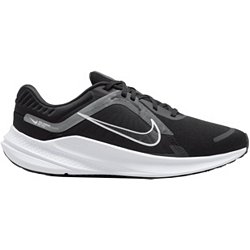
Discover a selection of overpronation running shoes designed to offer stability and comfort for your runs. These shoes often feature advanced cushioning technologies and breathable mesh uppers to enhance your running experience. With supportive structures that help guide your foot through each stride, they may help reduce discomfort during longer distances. Suitable for various running activities, these shoes combine durability with traction to keep you grounded on different surfaces, making them a solid choice for everyday training.
Overpronation running shoes are specifically designed to provide stability and support for runners whose feet roll inward excessively during their stride. This type of footwear helps to correct the alignment of the foot, reducing the risk of injuries and discomfort associated with overpronation. They often feature enhanced cushioning and stability technologies to ensure a smoother running experience.
When selecting overpronation running shoes, look for features such as a supportive midsole, stability technology, and cushioning that absorbs shock. A breathable upper material is also important for comfort during long runs. Additionally, a secure fit and traction-enhancing outsole can contribute to overall performance and stability.
Overpronation running shoes differ from neutral running shoes primarily in their design and support features. While neutral shoes are built for runners with a natural gait, overpronation shoes include stability elements that help control excessive inward rolling of the foot. This added support is crucial for preventing injuries in those who overpronate.
Yes, overpronation running shoes can be used for various running activities, including road running, daily training, and even interval training. Their supportive design makes them suitable for both short and long distances. However, it's important to choose a model that aligns with your specific running style and the surfaces you typically run on.
Overpronation running shoes are often made from lightweight and breathable materials, such as engineered mesh and synthetic uppers, which enhance comfort and ventilation. The midsoles typically incorporate advanced cushioning technologies, while the outsoles are designed with durable rubber for traction and longevity. These materials work together to provide a supportive and responsive running experience.
To determine if you need overpronation running shoes, consider your running gait. If you notice that your feet roll inward excessively when you run, or if you frequently experience discomfort or injuries in your knees or ankles, it may be a sign that you need additional support. A gait analysis at a specialty running store can also provide insights into your foot mechanics.
Cushioning in overpronation running shoes is crucial for absorbing impact and providing comfort during runs. It helps to reduce the stress on joints and muscles, making each stride feel more comfortable and less jarring. The right level of cushioning can also enhance responsiveness, allowing for a more efficient running experience.
Overpronation running shoes are designed to accommodate a variety of foot sizes and shapes, but it's essential to find the right fit for your individual needs. Many models offer different widths and sizes to ensure a comfortable fit. Trying on several options and considering your specific foot characteristics can help you find the best shoe for your running style.
Continue browsing



 (14)
(14)