â
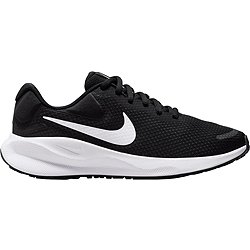
Discover the ultimate in comfort and performance with our collection of good comfortable running shoes. Designed for runners of all levels, these shoes feature lightweight materials, responsive cushioning, and breathable uppers to keep your feet feeling fresh mile after mile. Enjoy superior support and stability with every stride, ensuring a smooth running experience on any terrain. Whether you're training for a race or enjoying a leisurely jog, our selection will help you achieve your best while prioritizing comfort and style. Lace up and hit the ground running!
When searching for comfortable running shoes, consider features such as cushioning, support, and breathability. Look for shoes with adequate padding in the midsole to absorb impact and provide comfort during runs. A breathable upper material can help keep your feet cool and dry, while a secure fit is essential for stability. Additionally, consider the shoe's weight and flexibility, as these factors can enhance your overall running experience.
To determine the right size for running shoes, start by measuring your foot length and width, ideally at the end of the day when your feet are slightly swollen. Use a ruler or a measuring tape to find the longest part of your foot, and compare this measurement to the sizing chart provided by the brand. It's also helpful to try on shoes with the socks you plan to wear while running, ensuring there is enough space in the toe box and a snug fit around the heel. Remember that sizes can vary between brands, so always check the specific sizing guidelines for the shoes you are considering.
Comfortable running shoes are typically made from a combination of lightweight mesh, synthetic materials, and foam cushioning. The mesh upper provides breathability and flexibility, while synthetic overlays enhance support and durability. Foam materials in the midsole offer cushioning and shock absorption, contributing to a more comfortable running experience. Additionally, rubber outsoles are often used for traction and durability on various surfaces.
Yes, certain styles of running shoes are designed with features that enhance comfort. Look for shoes that offer ample cushioning, breathable materials, and a supportive fit to help reduce fatigue during runs. Additionally, shoes with a wider toe box can provide extra room for your feet, contributing to overall comfort. Many runners also prefer lightweight options that allow for a more natural stride while still providing the necessary support.
Different types of running shoes are designed with various features that can significantly impact comfort during a run. For instance, shoes with ample cushioning provide a softer landing, which can help reduce the impact on joints. Meanwhile, lightweight models may enhance speed and agility, but they might offer less cushioning. Additionally, the fit and support level of the shoe can influence how comfortable it feels, as a proper fit helps prevent blisters and discomfort during longer runs.
Cushioning in running shoes plays a crucial role in providing comfort and support during runs. It helps absorb impact, reducing stress on joints and muscles, which can enhance overall performance and enjoyment. Additionally, adequate cushioning can contribute to a smoother stride, allowing for better energy return and reducing fatigue over longer distances. Many runners prioritize cushioning to improve their running experience and maintain comfort throughout their workouts.
To find running shoes that are suitable for your foot type, start by determining your arch type, which can be categorized as high, medium, or flat. You can do this by performing a wet test, where you wet your foot and step on a piece of paper to see the imprint. Once you know your arch type, look for shoes that offer the right level of support and cushioning for your specific needs, as different styles cater to various foot shapes and running mechanics. Additionally, consider visiting a specialty store where staff can provide personalized fitting advice based on your foot type and running style.
When trying on running shoes, it's important to wear the same type of socks you plan to use while running to get an accurate fit. Make sure to walk or jog around the store to assess comfort and support, paying attention to how the shoes feel in the toe box and heel. It's also advisable to try on shoes at the end of the day when your feet are slightly swollen, as this can help ensure a better fit. Lastly, consider the shoe's flexibility and cushioning to ensure they meet your running style and preferences.
Seasonal changes can significantly influence the choice of running shoes due to variations in weather conditions and terrain. In warmer months, lightweight and breathable shoes are often preferred to keep feet cool and comfortable. Conversely, during colder or wetter seasons, shoes with better insulation, traction, and water resistance may be necessary to handle slippery or icy surfaces. Additionally, the type of running surface, such as trails or roads, can also dictate the appropriate shoe selection throughout the year.
When selecting running shoes for long-distance running, consider factors such as cushioning, support, and fit. Look for shoes that provide adequate shock absorption to reduce impact on your joints during extended runs. A secure fit is essential to prevent blisters and discomfort, so ensure there is enough room in the toe box while keeping the heel snug. Additionally, consider the shoe's weight and breathability, as these features can enhance your overall running experience.
Continue browsing



 (55)