â
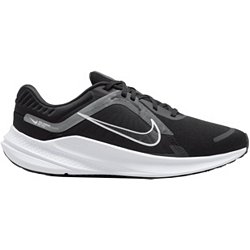
Discover the perfect pair of good comfortable running shoes designed to enhance your performance and keep you moving. Our collection features lightweight materials, responsive cushioning, and breathable designs to ensure maximum comfort during every run. With options for various terrains and foot types, you can find the ideal fit to support your stride. Whether you're a seasoned runner or just starting out, these shoes provide the durability and support you need to reach your goals. Step into comfort and elevate your running experience today!
When searching for good comfortable running shoes, prioritize features such as cushioning, support, and breathability. Look for shoes with adequate arch support and a comfortable fit to reduce the risk of blisters and discomfort during runs. Additionally, consider the weight of the shoe, as lighter options can enhance your running experience.
Comfortable running shoes typically utilize lightweight and breathable materials such as mesh for the upper, which allows for ventilation. Midsole materials like EVA foam or gel provide cushioning and shock absorption, while durable rubber outsoles ensure traction and longevity. The combination of these materials contributes to overall comfort and performance.
To find the right fit for running shoes, it's essential to measure your foot size accurately and consider the width as well. Try on shoes at the end of the day when your feet are slightly swollen to ensure a comfortable fit. Make sure there is enough space in the toe box and that the shoe feels snug but not tight around the heel and midfoot.
The best type of running shoe depends on the surface you plan to run on. Road running shoes are designed for pavement and offer cushioning and support, while trail running shoes provide added traction and stability for uneven terrain. Consider your running environment to choose a shoe that enhances your performance and comfort.
Yes, different types of runners may benefit from specific running shoes tailored to their needs. For instance, neutral runners often require shoes with balanced cushioning, while overpronators may need shoes with added stability features. It's important to assess your running style and foot mechanics to select the most suitable shoe for your comfort and performance.
Running shoes should typically be replaced every 300 to 500 miles, depending on factors like your running style and the shoe's construction. Signs that it's time for a replacement include reduced cushioning, visible wear on the outsole, and discomfort during runs. Regularly replacing your shoes helps maintain comfort and support, reducing the risk of injury.
Continue browsing



 (45)
(45)