â
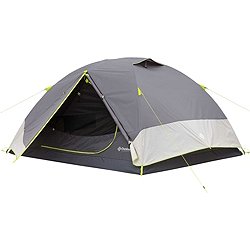
Experience the great outdoors with our collection of mesh tents, designed for comfort and ventilation. Perfect for camping trips, these tents feature spacious interiors and durable materials to withstand the elements. The mesh panels provide excellent airflow while keeping bugs at bay, ensuring a restful night's sleep. Easy to set up and pack away, these tents are ideal for both novice and seasoned campers. Enjoy your adventures with a reliable shelter that combines functionality and convenience for all your outdoor excursions.
 (1)
When selecting a mesh tent, consider features such as ventilation, durability, and ease of setup. Look for tents with ample mesh panels to promote airflow while keeping insects out. Additionally, check for weather-resistant materials and a sturdy frame to ensure stability in various conditions. A quick-setup design can also enhance your camping experience by saving time during assembly.
Mesh tents are designed to provide ventilation and keep insects out, making them ideal for warm weather camping. However, their performance in different weather conditions can vary. In dry and warm conditions, the mesh allows for excellent airflow, helping to keep the interior cool. In wet or windy conditions, the mesh may not provide sufficient protection from rain or strong winds, so it's important to consider additional waterproofing or a rainfly for enhanced shelter.
Mesh tents offer several advantages for camping, primarily enhancing ventilation and reducing condensation. The mesh fabric allows for airflow, keeping the interior cooler during warm weather while also providing a barrier against insects. Additionally, many mesh tents are lightweight and easy to set up, making them a convenient option for campers who prioritize portability and ease of use. They also provide a great view of the surrounding environment, allowing campers to enjoy nature while staying protected.
Mesh tents are primarily designed for warm-weather camping, as they provide excellent ventilation and keep insects out while allowing airflow. However, they may not be suitable for all seasons, particularly in colder or wetter conditions, where additional insulation and protection from the elements are necessary. For year-round camping, it's often better to choose a tent that offers a combination of mesh and solid fabric to ensure comfort and protection in various weather conditions. Many tents are designed with versatility in mind, allowing for use in different seasons by incorporating features that adapt to changing environments.
To determine the right size mesh tent for your needs, consider the number of people who will be using it and the amount of gear you plan to store inside. Tents are typically categorized by their capacity, so look for options that accommodate your group size comfortably. Additionally, think about the intended use, such as family camping or solo trips, as this can influence the space you require. Finally, consider the tent's dimensions, including height and floor area, to ensure it meets your comfort and storage needs.
Mesh tents are typically constructed using lightweight and breathable materials that enhance ventilation while providing protection from insects. Common materials include polyester or nylon for the tent body, often combined with a mesh fabric that allows airflow while keeping bugs out. The tent poles are usually made from aluminum or fiberglass, offering durability and stability. Many mesh tents also feature waterproof coatings or treatments to help protect against moisture.
Mesh tents generally offer superior ventilation compared to traditional tents. The mesh panels allow for increased airflow, which helps to reduce condensation and keep the interior cooler during warm weather. This design is particularly beneficial for camping in hot climates, as it promotes a comfortable sleeping environment. However, it's important to consider that mesh tents may provide less protection from the elements, so they are often best suited for specific conditions.
Mesh tents are ideal for camping in warm weather, as they provide excellent ventilation while keeping insects at bay. They are also suitable for family outings or group camping trips, allowing for a spacious and breathable environment. Additionally, mesh tents can be used for backyard camping or festivals, offering a comfortable shelter that enhances the outdoor experience. Their lightweight design makes them easy to transport, making them a convenient choice for various outdoor adventures.
Mesh tents are generally designed to provide excellent ventilation and visibility, making them a popular choice for warm-weather camping. While they may not offer the same level of insulation or protection from the elements as tents made with heavier materials, many mesh tents are constructed with durable fabrics that can withstand typical outdoor conditions. Their lightweight design makes them easy to transport, but it's important to consider the specific materials and construction quality when evaluating their overall durability.
When setting up a mesh tent, consider the location and terrain to ensure a flat, stable surface that is free from sharp objects. It's important to check the weather conditions, as mesh tents may provide less protection against wind and rain. Additionally, pay attention to the orientation of the tent to maximize ventilation and minimize exposure to direct sunlight. Finally, ensure that the tent is properly anchored to prevent it from being displaced by wind.
Continue browsing