â
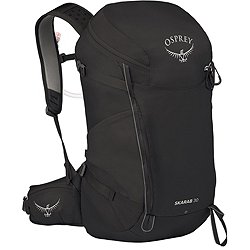
Stay hydrated on your trekking adventures with our premium hydration packs designed for optimal performance. Featuring lightweight materials and ergonomic designs, these packs ensure comfort during long hikes. With ample storage for water reservoirs and essential gear, you can easily carry everything you need. Many models include adjustable straps and ventilation systems for a customized fit and breathability. Explore our collection to find the perfect hydration pack for trekking, keeping you refreshed and ready for every trail.
When selecting a hydration pack for trekking, consider the pack's capacity, which should accommodate enough water for your journey while remaining lightweight. Look for features such as adjustable straps for a secure fit, multiple compartments for organization, and breathable materials to enhance comfort during long hikes. Additionally, a pack with a built-in hydration reservoir or easy-access water bottle pockets can make staying hydrated more convenient on the trail. Reflective elements and attachment points for gear can also be beneficial for safety and functionality.
When choosing the right size hydration pack for trekking, consider the duration of your trek and the amount of gear you need to carry. Smaller packs, typically around 10 to 16 liters, are suitable for short hikes where you only need water and a few essentials. For longer treks, a pack with a capacity of 20 liters or more may be necessary to accommodate additional supplies like snacks, clothing layers, and other gear. Always ensure the pack fits comfortably and allows for easy access to hydration while on the move.
Hydration packs designed for trekking are typically made from durable materials such as nylon and polyester. These fabrics are often treated to be water-resistant, ensuring that they can withstand various weather conditions while maintaining their integrity. Additionally, many packs feature reinforced stitching and heavy-duty zippers to enhance their overall durability and longevity during outdoor activities.
Yes, there are hydration packs specifically designed for various types of trekking. These packs come in different sizes and features to accommodate the needs of day hikes, multi-day treks, or challenging terrains. Many packs include compartments for water reservoirs, additional storage for gear, and ergonomic designs for comfort during long hikes. Choosing the right hydration pack can enhance your trekking experience by ensuring you stay hydrated and organized on the trail.
Hydration packs offer several advantages over traditional water bottles for trekking. They provide hands-free hydration, allowing you to drink while on the move without stopping to reach for a bottle. Additionally, hydration packs typically have a larger capacity, enabling you to carry more water and stay hydrated over longer distances. They also often include storage for other essentials, making them a convenient option for carrying gear while trekking.
The average capacity of hydration packs suitable for trekking typically ranges from 10 to 30 liters. This size range allows for sufficient water storage while also providing enough space for essential gear and supplies needed during a trek. Many packs in this category are designed to balance hydration needs with comfort and convenience, making them ideal for day hikes or longer excursions. When selecting a hydration pack, consider the duration of your trek and the amount of gear you plan to carry.
To ensure your hydration pack is comfortable for long treks, focus on the fit and adjustability of the straps and harness. Look for packs with padded shoulder straps and a breathable back panel to enhance comfort during extended use. Additionally, consider the weight distribution and capacity of the pack, as a well-balanced load can reduce strain on your back and shoulders. Finally, make sure to test the pack with some weight before your trek to identify any potential discomfort.
Using a hydration pack while trekking offers several advantages over traditional hydration methods. These packs provide hands-free access to water, allowing you to stay hydrated without needing to stop and dig through your gear. They typically feature a built-in reservoir and a drinking tube, making it easy to sip water on the go. Additionally, hydration packs are designed to distribute weight evenly across your back, enhancing comfort during long hikes.
Hydration packs are designed to be versatile and can generally be used in various weather conditions during trekking. However, it's important to consider the specific features of the pack, such as water resistance and insulation, which can affect performance in extreme temperatures or heavy rain. Many packs are equipped with materials that help protect against moisture and keep your water supply cool, making them suitable for a range of environments. Always ensure that your pack is appropriate for the conditions you expect to encounter on your trek.
To keep a hydration pack in good condition, it is important to clean it regularly after each use, especially if it has held flavored or sugary drinks. Rinse the reservoir and hose with warm water and mild soap, ensuring all parts are thoroughly dried before storage to prevent mold and mildew. Additionally, check for any signs of wear or damage, such as leaks or cracks, and replace any worn components as needed. Proper storage in a cool, dry place will also help maintain the pack's integrity over time.
Continue browsing



 (3)