â
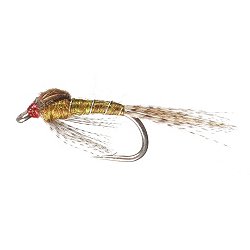
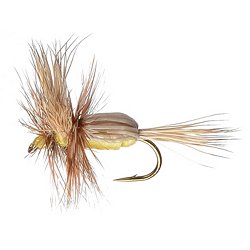
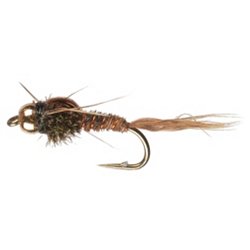
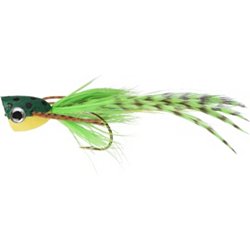
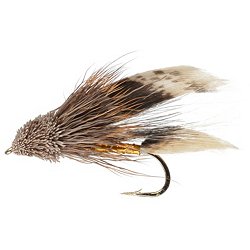
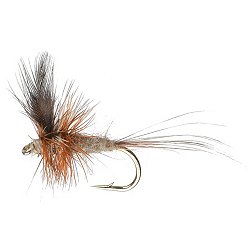
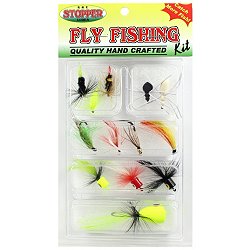
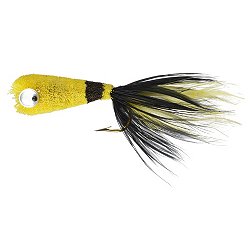
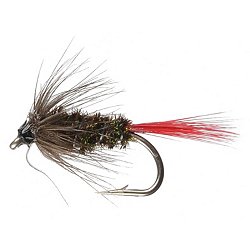
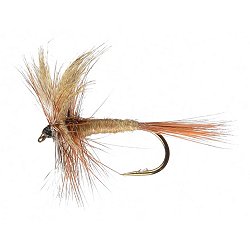
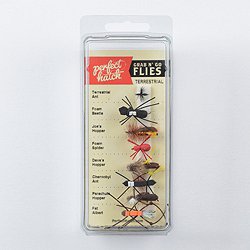
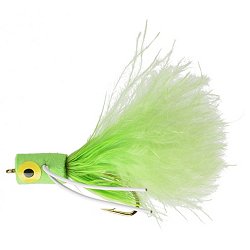
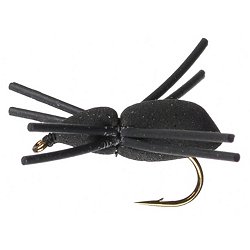
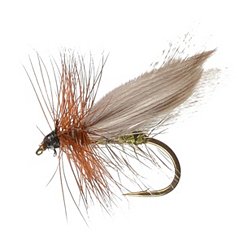
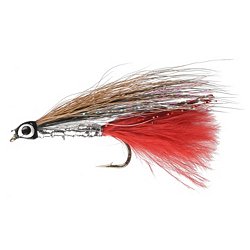
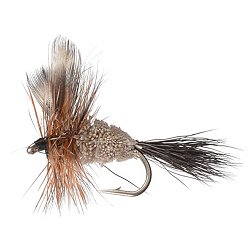
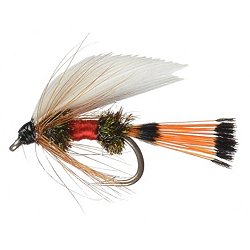
Explore our premium selection of fly fishing flies for trout, designed to enhance your fishing experience. Crafted with attention to detail, these flies mimic natural prey, ensuring an enticing presentation that attracts trout. Available in various patterns and sizes, our flies cater to different fishing conditions and preferences. Made from high-quality materials, they offer durability and performance on the water. Equip yourself with the right flies and increase your chances of a successful catch during your next fly fishing adventure.
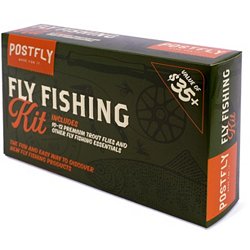
$29.99
I bought this to fill in my fly box, it comes with a lot of small trout flies, so if you want bigger or bass flies look at other kits, but the flies were high quality and looked
5
Proud chicken
Been using post fly for years as my go to lure provider.
5
overthewall20
I was getting into fly fishing when I found out about Postfly. I do n't have a fly shop nearby and this has been a super fun way to learn about flies and build a collection. Takes all the intimidation out of fly fishing, highly recommended.
5
BigBassinDad
We never know what to expect out of these boxes. He was so thrilled with the flies he got and ca n't wait to get out there to try them.
5
Jteixeira
Im new to fly fishing so this is a great way to build up your fly fishing tackle and flies
5
Pants
I am new to flyfishing and this purchase is a great start to learn techniques.
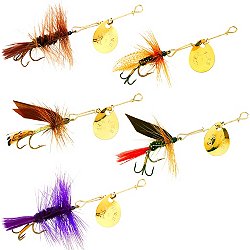
$14.99
WAS: $15.99*
This is great for short striking fish esp timid panfish or cold weather trout. ... Great for catching pan fish, got a small mouth bass, rock bass, and bluegill all on the same
5
Kevin45
If you dont catch fish on Joe's, theyre not biting!!! I took a 21 inch large mouth on a Joe's first cast after hitting the waters with the standard bass lures... In fact wife and I both started using them with great results.... These are our goto lures on new water bodies with unknown specimens. Nailed a 14. 5 inch black crappie on them the following week... Be warned, withthe two hook combo you might want to use some tools to retrieve your fly cause theyre sharp and wont let go!!
5
Digerati
Great for catching pan fish, got a small mouth bass, rock bass, and bluegill all on the same lure. Fishing from the sore at the great Miami river in Ohio.
5
Mike1344
I keep a Short Striker on a 5ft. microspinner all the time so I can just grab it and go when I get some unexpected fishing time. They 're not even listed as one of the lure's targets, but I caught three small bullheads right in a row on nice, slow retrieves tonight.
5
floater
I have used these before and they are a great idea! they stay at the top of the water column and can be retrieved very slow and still spin. I have purchased multiple colors and weights from joe's flies and I 'm certainly impressed
5
Eric78D
These things catch trout and panfish. They mKe bigger ones for bass also. They have stinger trebble hooks that act like a grappler hook locking your fish in place with the single hook. This is great for short striking fish esp timid panfish or cold weather trout.

$19.99
I have n't landed anything on them yet but anyone knows that wooly buggers work great. ... Good flies ... Good flies, good variety, and good
5
ncallan32
I have n't landed anything on them yet but anyone knows that wooly buggers work great. Good flies, good variety, and good value.
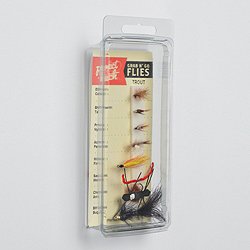
$19.99
Great slim little fly holder that fits in my back pocket when in/on the river fishing. ... My 11 year old wanted to give fly fishing a try, and we purchased, he love the
5
Ron A M
Just started fly fishing and wanted a “ starter pack ”. Used a few flies with success. So no complaints here.
5
5citieschris
Fished with these in a river doing a bobber float for the kids. Flies stayed dry and floated on top of the water. Super small eyelets so use really light line.
5
Soccer mom 2012
My 11 year old wanted to give fly fishing a try, and we purchased, he love the verity.
5
LetsFlyCO
Great slim little fly holder that fits in my back pocket when in/on the river fishing. Exactly the size that I needed. Holds about 35 flies in total from spiders to nymphs.
4
Wvladimire2022
If you ’ re starting out and not sure what trout or steelhead in your area will bite on. This assortment pack is for you. I was pleasantly surprised by the decent quality.
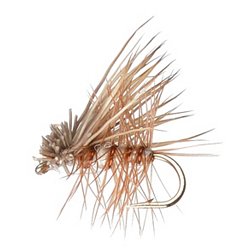
$5.49
Bought this in December and have need catching great trout with it ... Great
5
Atkinsrw
Bought this in December and have need catching great trout with it
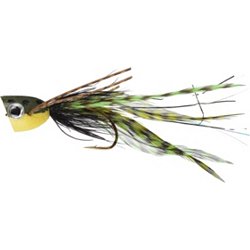
$5.49
Thisbis my first year fly fishing and could n't be happier with this addition. ... items was returned unopened it was a gift. ... Awesome popper ... Have yet to try this but it looks awesome upon first inspection, going to be a while before we have the conditions for this to shine...
5
Ricco86
Thisbis my first year fly fishing and could n't be happier with this addition. Caught 4- 5 rock bass in a small stretch of time using this and luck ended when something else got hooked on, not sure if it was a bass or a carp but lost the fight and lure
5
PolishFly
Have yet to try this but it looks awesome upon first inspection, going to be a while before we have the conditions for this to shine though

$5.49
These Perfect Hatch flies are well built and cheaper than most! ... Best selection of fly fishing gear. ... Well Constructed! ... Will definitely purchase again ... Local, good selection and price
5
mrwindup_bird
These Perfect Hatch flies are well built and cheaper than most!
5
Fred2
Works well looks good coming thru the water. Will definitely purchase again
5
Arthur
Bought all my fishing gear from Dicks. Local, good selection and price friendly.
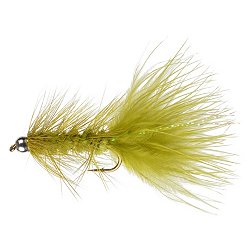


$2.99-$5.49
Used this on a 7 wt and caught more bass and big perch than I have in
5
TrickRicky
Used this on a 7 wt and caught more bass and big perch than I have in years


$5.49
Was looking for more streamers with great color, and some weight, this fit the bill. ... That ’s what an ole timer said to me and it works. ... A great diverse pattern, I ’ ve been throwing it for the last couple seasons and it seems to be getting bit year
5
PolishFly
Have yet to try these but they look great so far! This winter needs to let up a little!
5
TroutClout
Bought this fly looking for something alternative to what I traditionally throw, and I must say it hasn ’ t been a let down. A great diverse pattern, I ’ ve been throwing it for the last couple seasons and it seems to be getting bit year round. Definitely check them out!
5
Streamer Ripper
Was looking for more streamers with great color, and some weight, this fit the bill.
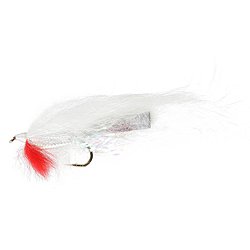
$5.49
haven ’ t used this one yet but excited to try it oit ... excited to
5
kaeleyrfarris
haven ’ t used this one yet but excited to try it oit
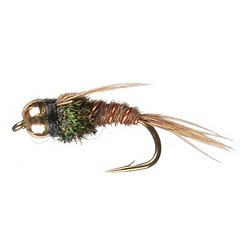
$5.49
Have the most luck for trout with these. ... I like to use the nymph green and gold. ... Decent selection ... Quality and price were very
5
Jdfh
I bought a selection of fly fishing baits. Quality and price were very good
5
jaycenmichael
Bought these for fly fishing. I like to use the nymph green and gold. Have the most luck for trout with these.

$5.49
Restocked my fly pack for some early morning fishing and proved to be of good quality and weight. ... A classic
5
LBP33
Restocked my fly pack for some early morning fishing and proved to be of good quality and weight.

$5.49
Great lure for trout fishing. ... Awesome for fly fishing ... Awesome selection at the
5
Trouting
Great lure for trout fishing. Awesome selection at the store

$5.49
Good use………………………………………………………………..
5
Nemoxx
Good use……………………………………………………………….. …………………………………………
$5.49
My wife bought these for herself. ... Look
5
Woodchuck
My wife bought these for herself. They look like they 'll catch fish. I 'm not a fly fisherman but I ca n't imagine they wo n't catch fish.

$19.99
Good quality ... They seem to be a good
4
Fishy fish
I bought these a month ago and haven ’ t had a chance to try them yet. They seem to be a good quality
$5.49
Awesome as a
5
BoieG
I used this as my line leader teaser for my Lure's
$5.49
Great little flies. ... Could be more buoyant. ... Great brook

$5.49
use this all the time pretty much always a good option ... great
5
LBP33
Restocked my fly pack for some early morning fishing and proved to be of good quality and weight.
5
kaeleyrfarris
use this all the time pretty much always a good option

$19.99
Good stuff ... Soooooooooooooooo good ok that ’s enough
4
Yurr281936
Soooooooooooooooo good ok that ’s enough characters
$5.49
Great fly for late
5
LBP33
Restocked my fly pack for some early morning fishing and proved to be of good quality and weight.
$5.49
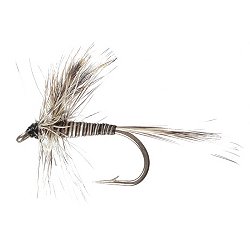
Works great for trout and bluegill. ... Great little fly ... Nice
4
Vladimir2022
Works great for trout and bluegill. If in doubt, look at the pics below.
4
Procter726
Glad I bought these, too bad they fell out of my vest and into the stream. Will buy again however.
$19.99
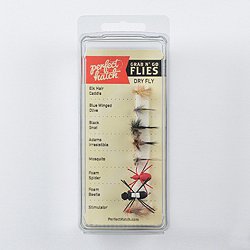
They seem to be well made. ... Well
4
Fishy fish
I bought them a month ago and haven ’ t had a chance to try them yet. They seem to be well made.

$19.99
Nice assortment of colors and sizes, pretty good quality
4
tedkaz
Nice assortment of colors and sizes, pretty good quality overall.

$5.49
Nice…………………………………………………………………………………………………………….
5
Nemoxx
Nice……………………………………………………………………………………………………………. ……..
$2.99
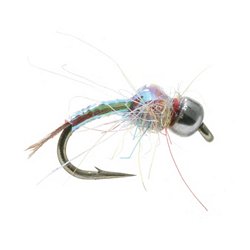
Nice fly to add to the collection, it definitely attracts fish ... It
5
Jdug
Nice fly to add to the collection, it definitely attracts fish
When targeting trout, various types of flies can be effective, including dry flies, nymphs, and streamers. Dry flies mimic insects on the water's surface, while nymphs represent the underwater life that trout feed on. Streamers imitate larger prey, such as minnows or leeches. The choice often depends on the specific conditions and the trout's feeding habits.
Fly fishing flies for trout are typically made from a combination of natural and synthetic materials. Common natural materials include feathers, fur, and hair, which provide realistic movement and appearance in the water. Synthetic materials, such as foam and plastic, are also used to enhance buoyancy and durability, allowing for a wider range of patterns and styles.
Selecting the right fly for trout fishing depends on several factors, including water temperature, time of year, and insect activity. Observing the local insect hatch can guide your choice, as matching the hatch often leads to better success. Additionally, considering water clarity and flow can help you determine whether to use more visible flies or subtle patterns.
Using a fly fishing kit can be advantageous for both beginners and experienced anglers. Kits often include a variety of flies tailored for trout, which can save time and ensure you have the right options for different conditions. They may also come with essential accessories, making it easier to get started and enhancing your overall fishing experience.
To improve your success rate when fly fishing for trout, focus on learning the local fishing regulations and understanding the trout's feeding behavior. Practicing casting techniques and being mindful of your presentation can also make a significant difference. Additionally, varying your retrieve speed and trying different fly patterns can help you find what works best in specific conditions.
Continue browsing



 (47)
(47)