â
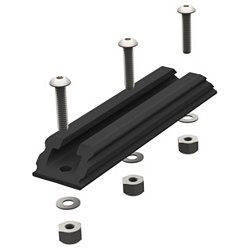
Explore our selection of scope mounting hardware, designed to provide reliable support for your optics. This hardware typically features durable materials and intuitive designs for easy deployment and adjustment. With options that accommodate various spotting scopes and binoculars, you can find the right fit for your outdoor adventures. Look for features like quick-release plates and compatibility with standard mounting systems to enhance your viewing experience. Whether for hunting, birdwatching, or photography, our scope mounting hardware can help you achieve stability and convenience.
Scope mounting hardware comes in various types designed to accommodate different optics, including spotting scopes and binoculars. Common options include window mounts, tripod mounts, and rail mounts, each serving specific purposes based on the intended use. It's important to choose the right type based on your activity, whether it's birdwatching, hunting, or photography.
Scope mounting hardware is typically made from durable materials such as aluminum and high-strength plastics. Aluminum is favored for its lightweight yet sturdy properties, making it ideal for portable setups. The choice of material can affect the overall weight and stability of the mount, which is crucial for optimal performance.
Choosing the right scope mounting hardware depends on the type of optics you are using and the activities you plan to engage in. Consider factors such as the weight of your equipment, the mounting surface, and whether you need a quick-release feature for easy setup. Additionally, think about the stability and adjustability of the mount to ensure it meets your specific requirements.
When selecting scope mounting hardware, look for features such as ease of deployment, stability, and compatibility with your optics. A low-profile design can enhance portability, while intuitive controls make adjustments simpler. Quick-release plates can also be beneficial for quickly attaching and detaching your equipment during use.
Yes, many scope mounting hardware options are designed to support a variety of optics, including spotting scopes, binoculars, and cameras. It's essential to check the specifications of the mount to ensure it can handle the weight and dimensions of your specific equipment. Versatile mounts can enhance your overall experience in different viewing situations.
The maximum load capacity of scope mounting hardware varies by model and design. It's crucial to select a mount that can safely support the weight of your optics to prevent any accidents or damage. Always refer to the manufacturer's specifications to determine the appropriate load limit for your chosen hardware.
Different types of scope mounting hardware are suited for various use cases. For instance, window mounts are ideal for vehicle-based observation, while tripod mounts offer stability for stationary viewing. Understanding your primary use case will help you select the most effective mounting solution for your activities.
The design of scope mounting hardware plays a significant role in its performance, impacting factors such as stability, ease of use, and portability. A well-designed mount can provide a secure fit for your optics, reducing vibrations and improving image clarity. Additionally, features like adjustable angles and quick-release mechanisms can enhance user experience during various activities.
Continue browsing