â
Explore our premium selection of translucent fishing line, designed for stealth and precision on the water. Ideal for anglers seeking to enhance their catch rate, this line offers exceptional invisibility underwater, making it perfect for both freshwater and saltwater fishing. With superior strength and sensitivity, our translucent fishing line ensures you feel every nibble while maintaining durability against wear and tear. Upgrade your fishing gear with lines that provide optimal performance and reliability, helping you reel in your next big catch with confidence.
Translucent fishing line is designed to be less visible in water, making it a popular choice for anglers targeting fish that may be spooked by traditional lines. This type of line often features a clear or semi-transparent appearance, which helps it blend into the aquatic environment. Unlike brightly colored or opaque lines, translucent options can provide a stealthier presentation, particularly in clear water conditions. Additionally, they may offer varying levels of sensitivity and strength, depending on the material used.
Translucent fishing line offers several advantages for various fishing techniques. Its low visibility in water helps reduce the chances of fish detecting the line, making it ideal for clear water conditions. This type of line is often used in finesse fishing, where subtle presentations are crucial, as well as in situations where fish are more cautious. Additionally, translucent lines can provide good sensitivity and strength, enhancing the overall fishing experience.
The visibility of translucent fishing line can influence fish behavior by making it less detectable in the water. Many fish are sensitive to changes in their environment, and a line that blends in with the surrounding water can help reduce the chances of spooking them. This can lead to more successful catches, as fish may be more likely to approach bait or lures when they do not see a prominent line. Additionally, the clarity of the line can help anglers maintain a natural presentation of their bait, further enticing fish.
When choosing the right strength of translucent fishing line, consider the type of fish you are targeting and the fishing conditions. The line's strength, often measured in pounds, should match the size and species of the fish to ensure effective catch and control. Additionally, think about the environment, such as whether you are fishing in freshwater or saltwater, as this can impact the line's performance. Lastly, consider the fishing technique you plan to use, as different methods may require varying line strengths for optimal results.
Translucent fishing line is often favored in clear water conditions, as its low visibility can help avoid spooking fish. It can be particularly effective in situations where fish are more cautious, such as during bright, sunny days or in heavily fished areas. Additionally, this type of line may perform well in freshwater environments where clarity is essential for successful catches. Many anglers choose translucent lines for finesse techniques, where subtle presentations are crucial.
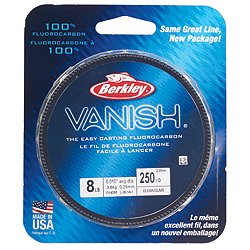
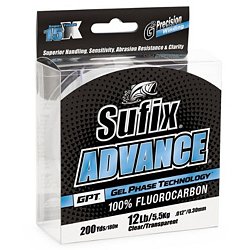
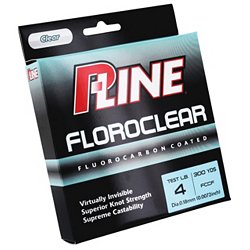
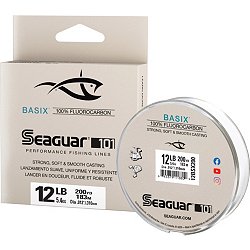
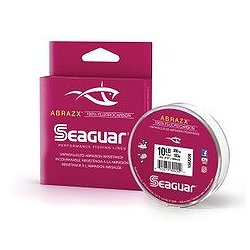
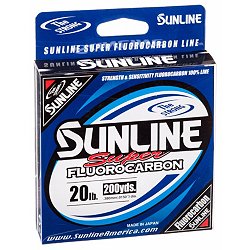
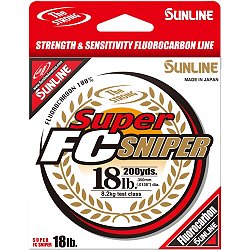
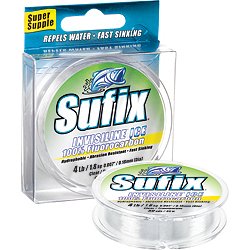
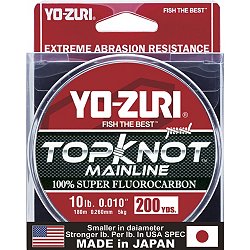
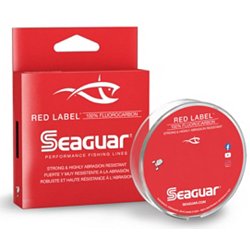
Translucent fishing line is typically made from materials such as fluorocarbon and monofilament. Fluorocarbon lines are known for their low visibility underwater, making them a popular choice among anglers. Monofilament lines, while also available in translucent options, offer flexibility and ease of handling. Both materials provide different benefits depending on the fishing conditions and techniques used.
The diameter of translucent fishing line can significantly influence its performance and casting distance. Thinner lines typically offer less resistance in the water, allowing for longer casts and improved sensitivity when detecting bites. Additionally, a smaller diameter can enhance the line's stealthiness, making it less visible to fish. However, it's important to balance diameter with strength, as thinner lines may have lower breaking points.
Translucent fishing line is commonly used in various fishing environments due to its low visibility in water, making it less detectable to fish. It is often employed in freshwater and saltwater fishing, particularly for species that are line-shy or in clear water conditions. Anglers may use this type of line for techniques such as finesse fishing, where subtle presentations are crucial, or when targeting species like trout and bass that can be wary of visible lines. Additionally, it can be effective for leader lines in situations where stealth is essential.
Translucent fishing line, often made from materials like fluorocarbon, is known for its strength and abrasion resistance, making it suitable for various fishing conditions. While it may not be as visible underwater, which can be advantageous for stealthy presentations, its durability can vary compared to other types of fishing lines such as monofilament or braided lines. Many anglers appreciate the balance of sensitivity and strength that translucent lines offer, especially in situations where clear water and cautious fish are present. Overall, the choice of fishing line type should depend on the specific fishing environment and target species.
To ensure the longevity of translucent fishing line, it is important to store it in a cool, dry place away from direct sunlight, as UV rays can degrade the line over time. Regularly inspect the line for any signs of wear or damage, and replace it if necessary. When not in use, keep the line on its spool to prevent tangling and kinking. Additionally, rinsing the line with fresh water after use in saltwater can help maintain its integrity.
Continue browsing