â
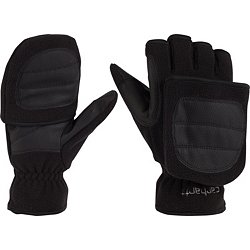
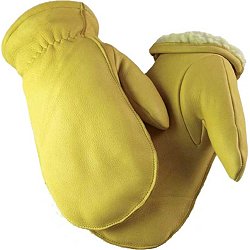
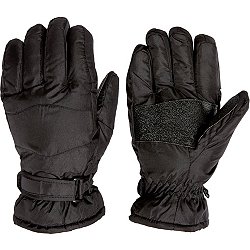
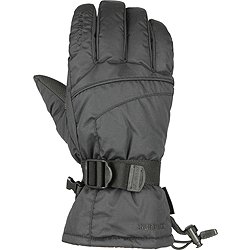
Stay warm and protected on your winter hikes with our collection of winter hiking mittens. Designed for optimal insulation and weather resistance, these mittens feature durable materials and waterproof technology to keep your hands dry and cozy in harsh conditions. With a variety of styles and fits, you can find the perfect pair to ensure a secure grip and maximum dexterity. Whether you're navigating snowy trails or enjoying a winter adventure, our winter hiking mittens provide the comfort and functionality you need to embrace the great outdoors.
When selecting winter hiking mittens, consider features that enhance warmth, dexterity, and weather resistance. Look for insulation materials that provide effective heat retention while remaining lightweight. Waterproof or water-resistant outer layers are important to keep your hands dry in snowy conditions. Additionally, adjustable cuffs and wrist straps can help ensure a secure fit, preventing cold air and moisture from entering.
To choose the right size for winter hiking mittens, start by measuring the circumference of your hand at its widest point, typically around the knuckles. Compare your measurement to the sizing chart provided by the manufacturer, as sizes can vary between brands. It's important to consider the fit; mittens should be snug enough to provide warmth but allow for some movement and layering underneath. Additionally, trying on mittens with the type of base layer you plan to wear can help ensure a comfortable fit during your hikes.
Winter hiking mittens are typically made from a combination of insulating materials and durable outer fabrics. Common insulation materials include synthetic fills or down, which provide warmth while remaining lightweight. The outer layer is often constructed from water-resistant or waterproof materials to protect against moisture and harsh weather conditions. Additionally, some mittens feature reinforced palms or fingers for added durability during outdoor activities.
When selecting winter hiking mittens for extreme cold, look for styles that feature insulated materials and waterproof or windproof exteriors. Mittens with a longer cuff can provide additional coverage and warmth, while those with removable liners offer versatility for varying temperatures. Additionally, mittens designed with a snug fit help retain heat and prevent cold air from entering. Prioritizing these features can enhance comfort and performance during harsh winter conditions.
Winter hiking mittens are designed specifically for outdoor activities in cold conditions, offering enhanced insulation and warmth compared to regular winter gloves. They typically feature a more spacious design that allows for better heat retention, while still providing dexterity for tasks like adjusting gear or handling trekking poles. Additionally, many winter hiking mittens are made with water-resistant or waterproof materials to protect against moisture and wind, making them suitable for various winter environments. Overall, their construction focuses on balancing warmth, functionality, and protection during outdoor adventures.
Winter hiking mittens are best suited for activities that require warmth and dexterity in cold weather conditions. They are ideal for hiking, snowshoeing, and other outdoor adventures where hands need protection from the elements while still allowing for some movement. Many designs feature insulation and waterproof materials to keep hands dry and comfortable during extended periods outdoors. Additionally, they can be useful for tasks like adjusting gear or handling trekking poles while on the trail.
To ensure your winter hiking mittens provide a good grip, look for features such as textured palms or silicone grips that enhance traction. Mittens made with durable materials can also improve your ability to hold onto trekking poles or other gear. Additionally, consider mittens with adjustable cuffs to keep them snug on your wrists, preventing any slipping while you hike. Proper fit is essential, as mittens that are too loose may compromise your grip.
Waterproof winter hiking mittens offer essential protection against moisture, keeping your hands dry in wet and snowy conditions. This feature helps maintain warmth, as dampness can lead to cold fingers and discomfort during outdoor activities. Additionally, many waterproof mittens are designed with insulation to provide extra warmth, making them suitable for extended hikes in cold weather. Their durable materials also enhance grip and dexterity, allowing for better handling of hiking gear.
Insulation types play a crucial role in the warmth of winter hiking mittens by determining how well they trap heat while allowing moisture to escape. Synthetic insulation is often lightweight and retains warmth even when wet, making it suitable for damp conditions. Natural insulation, such as down, provides excellent warmth-to-weight ratios but may not perform as well in wet environments unless treated. The choice of insulation can influence comfort and performance during cold weather hikes, so it's important to consider the conditions you'll encounter.
When selecting winter hiking mittens for varying weather conditions, consider the insulation material and its ability to retain warmth while allowing for breathability. Look for waterproof or water-resistant features to keep your hands dry in wet conditions. Additionally, consider the fit and dexterity of the mittens, as a snug fit can help maintain warmth while still allowing for movement. Finally, think about the length and cuff style, as longer cuffs can provide extra protection against snow and cold air.
Continue browsing



 (5)