â
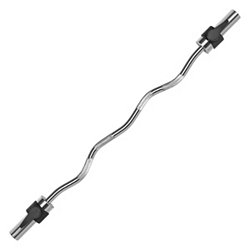
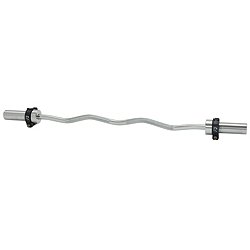
Achieve your powerlifting goals with our premium selection of barbells designed specifically for strength training. Engineered for durability and performance, these barbells feature high-quality materials and robust construction to withstand the toughest workouts. With options for various weight capacities and specialized designs, you can find the perfect barbell to enhance your lifting experience. Whether you're squatting, deadlifting, or bench pressing, our collection ensures stability and grip for optimal performance. Elevate your training routine and maximize your gains with the right barbell for powerlifting.
When choosing a barbell for powerlifting, consider the weight capacity and the type of barbell that best suits your lifting style, such as Olympic or power bars. Look for features like knurling for grip, sleeve rotation for smooth lifting, and the overall length and diameter that fit your body size and lifting technique. Additionally, think about the material and construction quality to ensure durability during heavy lifts. Finally, assess the barbell's compatibility with your existing weights and equipment.
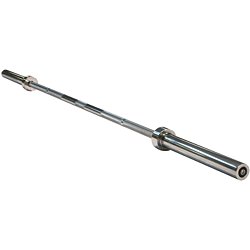
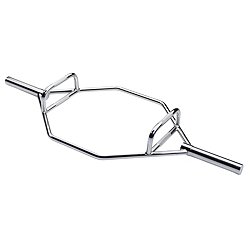
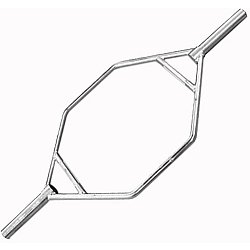
There are several types of barbells suitable for powerlifting, each designed to meet specific needs and preferences. Olympic barbells are commonly used, featuring a standard length and weight, and are often equipped with rotating sleeves for smoother lifts. Specialty bars, such as squat or deadlift bars, may have unique designs to enhance performance in specific lifts. Additionally, some bars are designed with varying grip widths or added features to accommodate different lifting styles and techniques.
The weight capacity of a barbell is crucial for powerlifting performance as it determines the maximum load that can be safely lifted during training and competition. A barbell with a higher weight capacity allows lifters to progressively increase their strength and challenge themselves with heavier weights. Additionally, using a barbell that can handle the intended load helps maintain stability and control during lifts, which is essential for achieving optimal performance. Lifters should choose a barbell that meets their strength level and training goals to ensure effective workouts.
Powerlifting barbells are typically made from high-quality steel, which provides the necessary strength and durability for heavy lifting. Many barbells feature a chrome or zinc coating to enhance corrosion resistance and improve grip. Additionally, some models may incorporate knurling on the handle for better traction during lifts. The construction often includes a combination of solid and hollow designs to balance weight and performance.
When selecting a barbell for powerlifting, consider the weight capacity, as it should support heavy loads for squats, deadlifts, and bench presses. Look for a knurling pattern that provides a secure grip, which is essential for maintaining control during lifts. Additionally, the barbell's diameter and length can affect your lifting experience, so choose one that suits your hand size and lifting style. Finally, ensure the barbell is made from durable materials to withstand the rigors of heavy training.
The diameter of a barbell can significantly influence grip and performance in powerlifting. A thicker barbell may provide a more secure grip for some lifters, enhancing their ability to maintain control during heavy lifts. Conversely, a standard diameter may be more comfortable for others, allowing for better hand positioning and reduced fatigue. Ultimately, the choice of diameter can affect how effectively a lifter can execute their lifts and achieve their performance goals.
Knurling on a powerlifting barbell is essential for providing grip and control during lifts. It enhances the user's ability to hold onto the bar securely, especially when performing heavy lifts or high-repetition sets. The texture and depth of the knurling can vary, allowing lifters to choose a bar that best suits their grip preferences and lifting style. Proper knurling can help improve performance by reducing the likelihood of slipping during exercises.
Yes, there are specific barbells designed to accommodate various powerlifting techniques. Different designs may feature unique grips, knurling patterns, and weight distributions to enhance performance in the squat, bench press, and deadlift. Some barbells are tailored for Olympic lifting styles, while others focus on traditional powerlifting, providing lifters with options that suit their training preferences and goals. Choosing the right barbell can help optimize your lifting technique and overall performance.
To determine the right length of a barbell for powerlifting, consider your body size and the type of lifts you plan to perform. Standard Olympic barbells typically range from 6 to 7 feet in length, which is suitable for most lifters. If you have a narrower grip or are using specific lifting techniques, a shorter barbell may be more appropriate. Additionally, ensure that the barbell's length is compatible with your lifting space and equipment.
Using a specialized barbell for powerlifting can enhance performance by providing features tailored to the demands of the sport. These barbells often have specific dimensions, grip textures, and weight distributions that support optimal lifting mechanics for squats, bench presses, and deadlifts. Additionally, they may be designed to accommodate heavier weights and improve stability during lifts, which can contribute to better training outcomes. Overall, a specialized barbell can help lifters focus on their technique and strength development more effectively than a standard barbell.
Continue browsing



 (1)