â
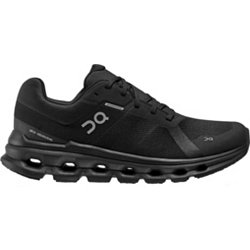
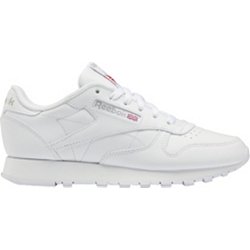
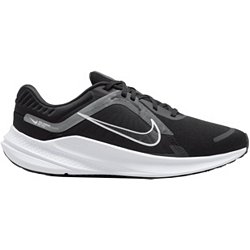
Discover the perfect pair of beginner running shoes designed to support your journey into running. Our collection features lightweight, cushioned options that provide comfort and stability for new runners. With breathable materials and flexible soles, these shoes ensure a smooth stride on various terrains. Whether you're training for your first 5K or enjoying leisurely jogs, our beginner running shoes offer the ideal blend of performance and style. Step confidently into your running routine and experience the difference with footwear crafted for your needs.
When choosing beginner running shoes, it's important to consider factors such as cushioning, support, and fit. Look for shoes that provide adequate shock absorption to protect your joints, as well as a comfortable fit that allows for some movement without being too loose. Additionally, consider the type of running you'll be doing, whether it's on roads, trails, or a treadmill, as this can influence the shoe's design and features.
Yes, beginner runners can benefit from features like extra cushioning for comfort, a lightweight design for ease of movement, and a breathable upper to keep feet cool. Stability features can also help prevent injuries by providing support during runs. It's essential to find a shoe that balances these features to enhance your running experience.
To find the right size for beginner running shoes, it's best to measure your feet in the afternoon when they are slightly swollen. Make sure to try on shoes with the socks you plan to wear while running. There should be enough space in the toe box for your toes to move comfortably, and the heel should fit snugly without slipping.
The type of running surface you plan to use will influence your choice of beginner running shoes. Road running shoes are designed for pavement and offer cushioning and support, while trail running shoes provide more grip and durability for uneven surfaces. If you plan to run on a treadmill, a road running shoe is typically suitable.
Beginner running shoes should generally be replaced every 300 to 500 miles, depending on your running style and the shoe's wear. Signs that it's time for a replacement include decreased cushioning, visible wear on the outsole, or discomfort during runs. Regularly checking your shoes for these signs can help maintain your running comfort and performance.
Continue browsing


 (39)
(39)