â
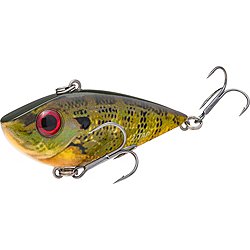
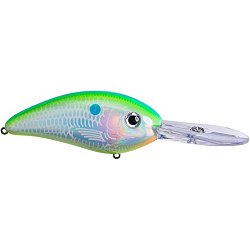
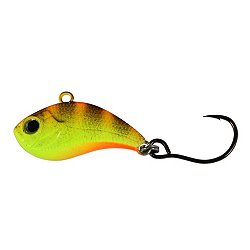
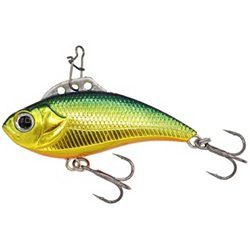
Enhance your fishing experience with our selection of fishing noise makers, designed to attract more fish to your line. These innovative tools create enticing sounds that mimic natural prey, increasing your chances of a successful catch. Lightweight and easy to use, our noise makers are perfect for both freshwater and saltwater fishing. Durable and weather-resistant, they are built to withstand the elements while delivering optimal performance. Discover the perfect fishing noise maker to elevate your angling game and reel in your next big catch!
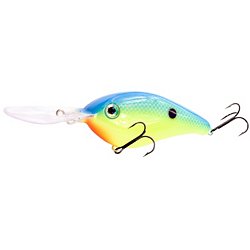
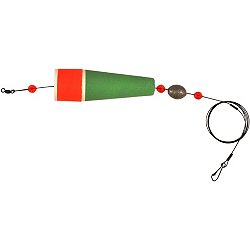
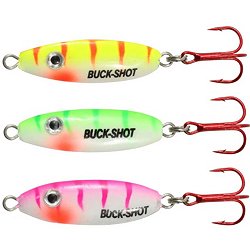
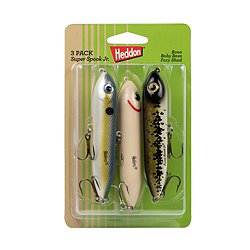
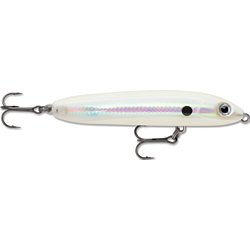
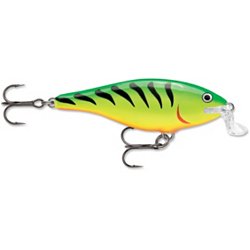
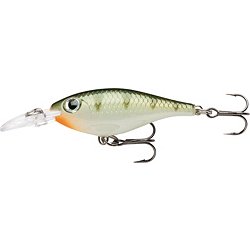
A fishing noise maker is a type of fishing lure designed to create sound and vibrations in the water, attracting fish by mimicking the sounds of prey or distress signals. These lures often feature rattles or popping mechanisms that generate noise, helping to draw fish in from a distance. The effectiveness of these lures can vary based on water conditions and the species of fish being targeted.
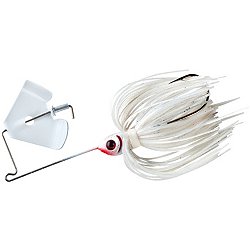
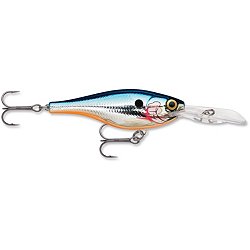
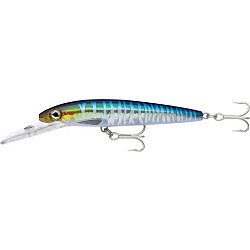
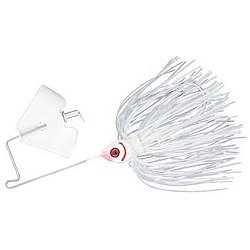
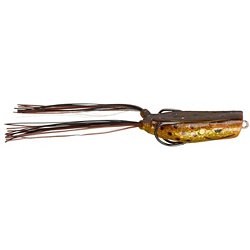
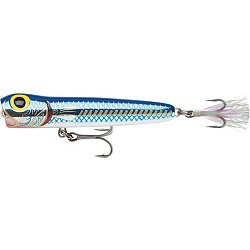
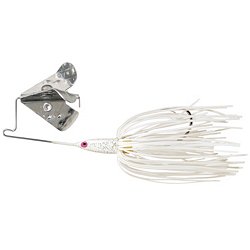
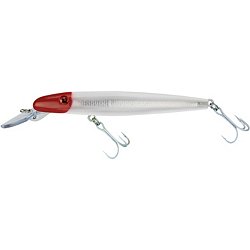
Fishing noise makers come in various styles, including rattling lures, buzzbaits, and popping lures. Each type is designed to produce different sounds and movements in the water, catering to different fishing environments and species. Anglers can choose from options that work well in freshwater or saltwater, depending on their fishing preferences.
Fishing noise makers are particularly effective during low-light conditions, such as early morning or late evening, when fish are more active and feeding. They can also be useful in murky water where visibility is limited, as the sounds help attract fish. Additionally, using noise makers during spawning seasons can increase your chances of success.
Fishing noise makers are typically made from durable materials such as plastic, metal, or rubber, designed to withstand the rigors of fishing. The choice of material can affect the lure's buoyancy, sound production, and overall effectiveness. Many noise makers also incorporate rattles or other sound-producing components to enhance their appeal to fish.
Choosing the right fishing noise maker depends on several factors, including the type of fish you are targeting, the fishing environment, and the time of year. Consider the water conditions, such as clarity and depth, as well as the specific behaviors of the fish species in your area. Experimenting with different types and sizes can also help you determine what works best for your fishing style.
Continue browsing



 (12)
(12)