â
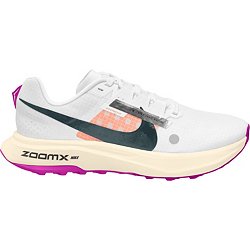
Discover the perfect blend of comfort and performance with our collection of flat running shoes. Designed for a natural stride, these shoes offer lightweight support and a low-profile design, making them ideal for both casual runs and intense training sessions. With breathable materials and responsive cushioning, you’ll enjoy enhanced stability and flexibility with every step. Whether you're a seasoned runner or just starting out, our flat running shoes provide the ideal foundation for your fitness journey. Step into comfort and elevate your running experience today!
Flat running shoes are designed with a minimal heel-to-toe drop, promoting a more natural foot position and stride. Unlike traditional running shoes that often have a significant heel elevation, flat shoes encourage a midfoot or forefoot strike, which can enhance running efficiency. They are particularly favored by runners who prefer a more grounded feel and those training for specific running styles.
Flat running shoes are ideal for a variety of running activities, including road running, track workouts, and racing. Their lightweight design and low-profile construction make them suitable for speed work and shorter distances, where agility and responsiveness are key. However, they can also be used for longer runs by experienced runners who have adapted to their minimalist features.
Flat running shoes typically feature lightweight and breathable materials to enhance comfort and performance. Common materials include mesh for breathability, foam for cushioning, and rubber for traction. The combination of these materials helps to provide a responsive feel while ensuring durability during runs.
Choosing the right size for flat running shoes involves considering both length and width. It's important to ensure there is enough room in the toe box for your toes to move comfortably without feeling cramped. Additionally, trying on shoes later in the day when your feet are slightly swollen can help you find the best fit, as this mimics the conditions during a run.
While flat running shoes are primarily designed for road running and racing, some models can be suitable for light trail running, depending on their traction and support features. However, for more rugged terrains, dedicated trail running shoes with enhanced grip and protection are recommended. It's essential to consider the specific running environment when selecting footwear.
Using flat running shoes for training can improve running form by encouraging a more natural foot strike and promoting better biomechanics. They can also strengthen foot and lower leg muscles due to the lack of excessive cushioning and support. Additionally, many runners find that they enhance their overall running efficiency, making them a popular choice among experienced athletes.
Continue browsing


 (2)
(2)