â
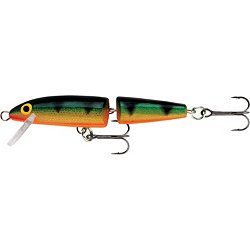
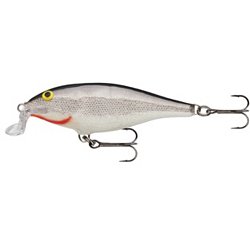
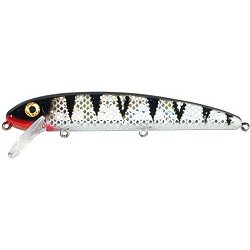
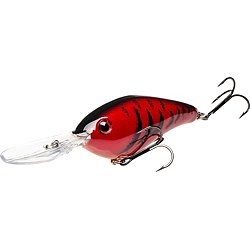
Our Hard Knock Crankbaits sold out quickly! Explore similar styles now!
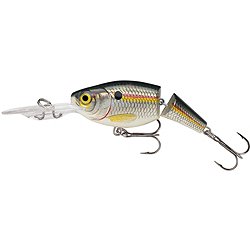
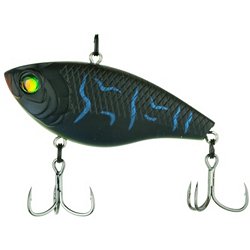
A hard knock crankbait is a type of fishing lure designed to mimic the movement and sound of baitfish. Unlike traditional crankbaits, which may have a more subtle action, hard knock crankbaits produce a distinct knocking sound that can attract fish from a distance. This unique sound, combined with their diving capabilities, makes them effective in various fishing conditions.
Hard knock crankbaits are versatile lures that can be used in both freshwater and saltwater environments. They are particularly effective in areas with structure, such as rocky bottoms, submerged vegetation, or around docks. Anglers often use them in conditions where fish are actively feeding, especially during the warmer months when fish are more aggressive.
Hard knock crankbaits are effective for catching a variety of fish species, including bass, pike, and even some saltwater species. Their ability to create noise and mimic distressed baitfish makes them particularly appealing to predatory fish. Depending on the size and color of the crankbait, anglers can target specific species more effectively.
When selecting a hard knock crankbait, consider factors such as size, color, and diving depth. The size should match the local forage fish to increase effectiveness, while color can be chosen based on water clarity and light conditions. Additionally, the diving depth is important to ensure the lure reaches the desired zone where fish are actively feeding.
The materials used in hard knock crankbaits can significantly impact their durability, buoyancy, and action in the water. Most crankbaits are made from plastic or wood, with each material offering different benefits. Plastic crankbaits tend to be more durable and can be produced in a variety of colors and finishes, while wooden crankbaits may provide a more natural action and sound.
Yes, hard knock crankbaits can be effective across different seasons, but their effectiveness may vary based on fish behavior and water temperature. In warmer months, the loud noise and erratic action can trigger aggressive strikes, while in colder months, anglers may need to adjust their retrieval speed and depth to entice fish that are less active.
Continue browsing