â
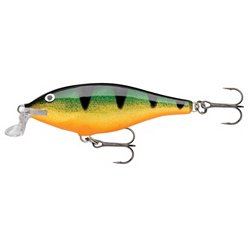
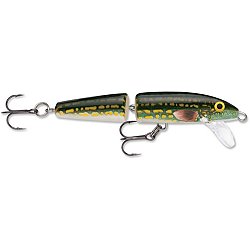
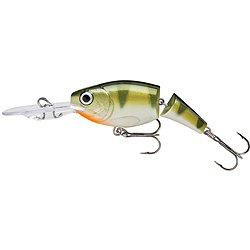
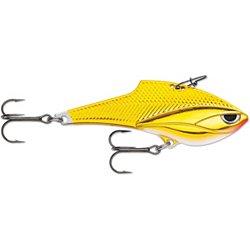
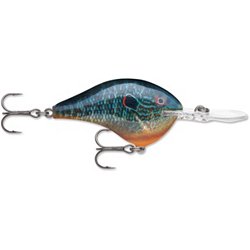
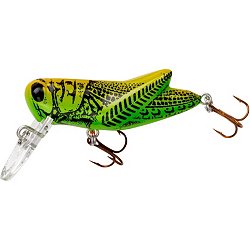
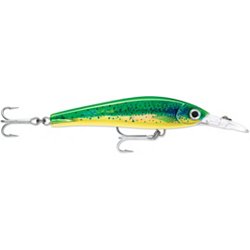
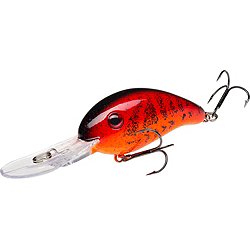
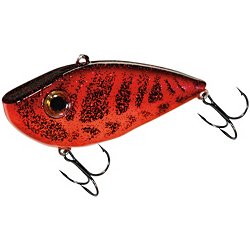
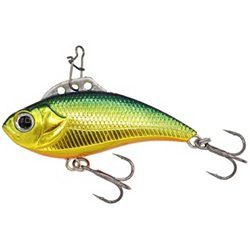
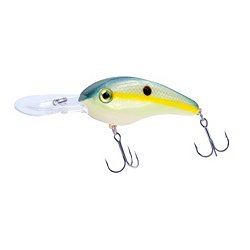
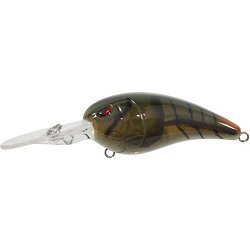
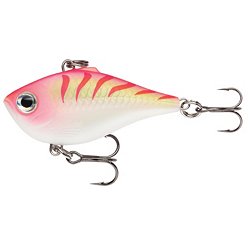
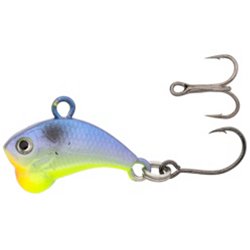
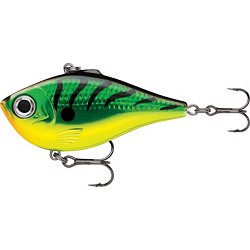
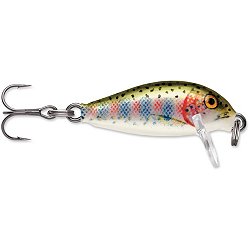
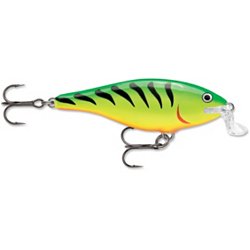
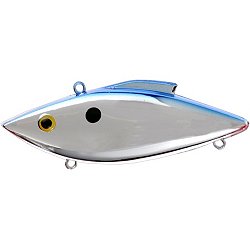
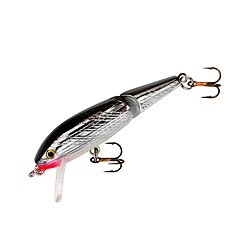
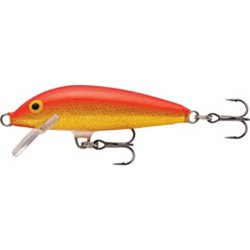
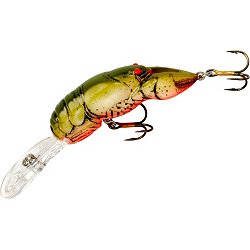
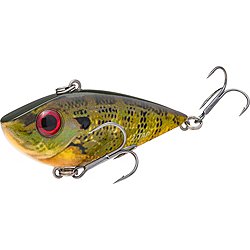
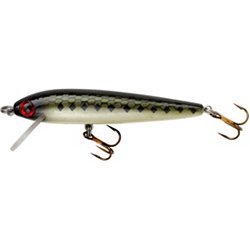
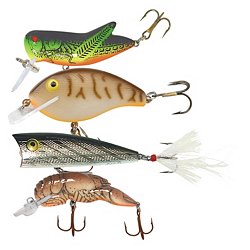
Explore a diverse selection of crankbaits for bass, designed to enhance your fishing experience in various water conditions. These crankbaits feature unique profiles and construction materials, allowing for effective maneuvering over obstacles and enticing strikes from bass. With options that dive to different depths and offer realistic baitfish appearances, you can target bass whether casting, trolling, or jigging. The variety of designs ensures versatility, making these crankbaits suitable for both shallow and deeper waters, perfect for any angler's tackle box.
A crankbait is a type of fishing lure designed to mimic the movement of baitfish, making it an effective choice for attracting bass. These lures are typically made from hard plastic or wood and are equipped with hooks. They are retrieved at various speeds to create a realistic swimming action, which can trigger strikes from bass, especially in shallow waters.
When selecting a crankbait for bass fishing, consider features such as the size, diving depth, and color patterns. The size should match the local forage, while the diving depth will determine how deep you can fish. Color patterns that mimic local baitfish or stand out in murky water can also enhance your chances of success.
Different types of crankbaits are suited for various fishing conditions. For example, shallow-running crankbaits are ideal for fishing in weedy or rocky areas, while deep-diving crankbaits work well in deeper waters. Additionally, the choice of crankbait can depend on the time of year and the behavior of the bass, as they may be more active in warmer months.
The material of a crankbait can significantly impact its performance and durability. Hard plastic crankbaits tend to be more buoyant and can create a more erratic action, while wooden crankbaits may offer a more natural look and feel in the water. The choice of material can also influence how well the lure withstands repeated strikes and rough conditions.
The best retrieval technique for crankbaits often involves a steady, consistent speed, but varying your retrieve can also be effective. Experimenting with pauses, twitches, or speed changes can trigger strikes, as bass may respond differently depending on their mood and the conditions. Additionally, maintaining contact with the bottom or structure can help increase your chances of catching bass.
Continue browsing



 (33)
(33)