â
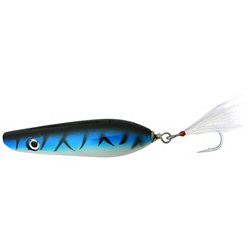
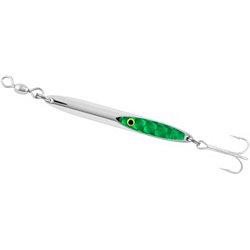
Maximize your tuna fishing success with our premium selection of lures designed specifically for targeting these powerful fish. Our collection features a variety of shapes, sizes, and colors to attract tuna effectively, whether you're trolling or casting. Each lure is crafted with durable materials to withstand the rigors of saltwater fishing, ensuring long-lasting performance. With innovative designs that mimic the movement of baitfish, you'll enhance your chances of landing the big catch. Equip yourself with the right lure for tuna fishing and experience the thrill of reeling in your next trophy.
 (4)
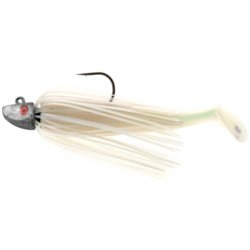
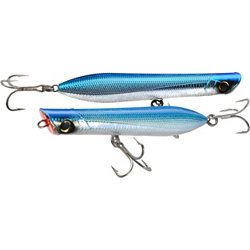
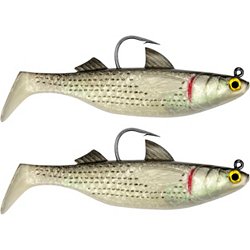
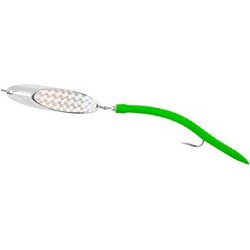
(4) When fishing for tuna, lures that mimic the movement and appearance of baitfish are often effective. Jigs, particularly those designed with a streamlined shape and vibrant colors, can attract tuna by creating a realistic swimming action. Additionally, surface lures that create noise and disturbance on the water can entice tuna to strike. Many anglers also use trolling lures that can cover larger areas and target tuna at various depths.
Choosing the right lure for tuna fishing depends on various water conditions, including clarity, temperature, and current. In clear water, opt for lures with natural colors and realistic movements to mimic prey. In murky or choppy water, brighter colors and more noise can help attract tuna. Additionally, consider the depth at which tuna are feeding, as this will influence the type of lure and its weight to ensure it reaches the desired depth effectively.
When selecting a lure for tuna fishing, consider features such as size, weight, and color. Lures that mimic the movement and appearance of baitfish are often effective, so look for those with realistic designs. Additionally, the material of the lure can impact its durability and performance in various water conditions. Finally, consider the type of action the lure provides, as this can influence its effectiveness in attracting tuna.
When selecting lures for tuna fishing, certain colors tend to be more effective based on the water conditions and the species of tuna being targeted. Bright colors like chartreuse, blue, and pink are often favored in clear waters, while darker colors such as black or purple can be more effective in deeper or murkier waters. Additionally, lures that mimic the natural prey of tuna, such as silver or white, can also attract their attention. Experimenting with different colors can help determine what works best for your specific fishing conditions.
Tuna fishing lures are typically made from a variety of materials designed to withstand the harsh marine environment. Common materials include durable plastics, metal, and rubber, which provide both strength and flexibility. Many lures also feature reflective finishes or bright colors to attract tuna by mimicking the appearance of prey. Additionally, some lures may incorporate components like hooks and skirts made from synthetic fibers to enhance their effectiveness in the water.
The size of the lure can play a significant role in tuna fishing success, as it influences how the lure mimics the natural prey of tuna. Larger lures may attract bigger tuna, while smaller lures can be effective for smaller species or when tuna are feeding on smaller baitfish. Additionally, the size can affect the depth at which the lure operates and how it moves through the water, which can impact visibility and appeal to the fish. Anglers often experiment with different sizes to determine what works best for the specific conditions and tuna behavior they encounter.
To effectively use lures for tuna fishing, start by selecting a lure that mimics the natural prey of tuna, such as small fish or squid. Cast your lure into areas where tuna are known to feed, often near structures or in open water. Retrieve the lure with a steady, varied speed to create an enticing action that attracts tuna. Pay attention to the water conditions and adjust your technique accordingly, as tuna may respond differently based on factors like current and temperature.
Different styles of tuna fishing lures vary in design, weight, and action, each tailored for specific fishing conditions and techniques. Some lures mimic the movement of baitfish, while others may have a more erratic action to attract tuna. The weight of the lure can influence how deep it dives and how it performs in various currents. Additionally, some lures are designed for trolling, while others are better suited for casting or jigging, allowing anglers to choose based on their preferred fishing method.
Seasonal changes can significantly influence the effectiveness of tuna lures due to variations in tuna behavior and feeding patterns. During warmer months, tuna are often more active and may be found closer to the surface, making certain lures more appealing. In contrast, during cooler months, tuna may dive deeper or become less aggressive, requiring adjustments in lure type, color, or retrieval speed to entice bites. Understanding these seasonal dynamics can help anglers select the most suitable lures for their fishing conditions.
When selecting a lure for different tuna species, consider the size and type of tuna you are targeting, as this can influence the lure's design and action. The water conditions, such as clarity and temperature, also play a role in determining which colors and styles will be most effective. Additionally, the depth at which you plan to fish can affect your choice, as some lures are designed for surface action while others are better suited for deeper waters. Lastly, understanding the feeding habits of the specific tuna species can help you choose a lure that mimics their natural prey.
Continue browsing