â
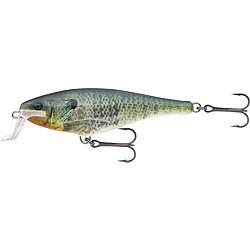
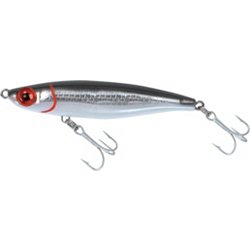
Attract trophy tarpon with our premium selection of tarpon lures designed for optimal performance. Featuring a variety of styles, including suspending twitchbaits and topwater lures, these products mimic the natural movement of prey to entice strikes. Crafted with durable materials and realistic finishes, our lures ensure longevity and effectiveness in various fishing conditions. Whether you're casting from shore or a boat, our tarpon lures are engineered to enhance your fishing experience and increase your chances of landing that big catch. Get ready to reel in your next trophy!
 (4)
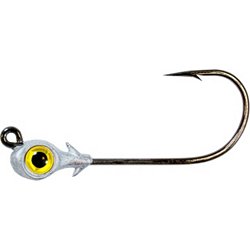
There are various types of tarpon lures designed for different fishing conditions. Hard baits are effective for targeting tarpon in open water, while jigs can be useful in deeper areas or when fish are holding near the bottom. Suspending twitchbaits are ideal for enticing strikes when tarpon are feeding near the surface, and topwater lures can create exciting surface action during feeding times. Each type of lure can be selected based on the specific environment and behavior of the fish.
When selecting a tarpon lure, consider the water depth and clarity to enhance your chances of success. In deeper waters, opt for lures that can dive or suspend at the desired depth, while in shallower areas, surface or topwater lures may be more effective. For clear water, choose natural colors that mimic local baitfish, whereas in murky conditions, brighter or more vibrant colors can help attract attention. Additionally, adjust your lure's action to match the activity level of the tarpon, as this can influence their feeding behavior.
Tarpon lures are typically made from materials such as plastic, metal, and wood, each contributing to their performance in different ways. Plastic lures are often lightweight and can be molded into various shapes, allowing for versatile action in the water. Metal lures tend to be more durable and can create a unique flash that attracts fish, while wooden lures may provide a more natural look and feel. The choice of material can influence factors like buoyancy, movement, and overall effectiveness in enticing tarpon.
When selecting a tarpon lure, consider features such as size, color, and action. Lures that mimic the natural prey of tarpon, like baitfish, are often effective, so look for realistic designs. Additionally, lures with a good swimming action or those that create noise can attract tarpon. It's also beneficial to choose lures that can be fished at various depths, as tarpon can be found at different levels in the water column.
Yes, certain styles of tarpon lures can be more effective during specific seasons. For instance, during warmer months when tarpon are more active near the surface, topwater lures tend to attract their attention. In contrast, during cooler seasons or when fish are deeper, suspending lures or jigs may be more successful. Understanding the seasonal behavior of tarpon can help anglers choose the right lure style for optimal results.
The colors of tarpon lures can play a significant role in their effectiveness by mimicking the natural prey of tarpon in various water conditions. Bright and vibrant colors may attract attention in murky waters, while more natural hues can be effective in clear conditions. Additionally, the time of day and weather can influence which colors are more appealing, as fish may respond differently to colors based on light levels. Experimenting with different color patterns can help anglers determine what works best for their specific fishing environment.
To retrieve a tarpon lure effectively, start with a steady, moderate pace that mimics the movement of prey. Vary your retrieval speed by incorporating pauses and twitches to create an erratic action that can entice tarpon. Additionally, consider adjusting your technique based on water conditions and the behavior of the fish, as they may respond differently to various retrieval methods. Experimenting with different patterns can help you find what works best for your specific fishing environment.
To determine the right size of tarpon lure, consider the size of the tarpon you are targeting and the specific fishing conditions. Larger lures are often more effective for bigger fish, while smaller lures can be useful in calmer waters or when fish are less aggressive. Additionally, take into account the type of baitfish present in the area, as matching the lure size to the local forage can increase your chances of success. Experimenting with different sizes can also help you find what works best for your fishing style and environment.
Topwater tarpon lures are designed to float on the surface of the water, creating splashes and disturbances that attract fish. These lures often mimic the movement of prey struggling on the surface, making them effective during feeding times when tarpon are actively hunting. In contrast, subsurface lures are designed to dive below the surface, imitating baitfish or other prey that swim at various depths. The choice between topwater and subsurface lures often depends on the fishing conditions, such as water clarity and the behavior of the tarpon.
Continue browsing