â
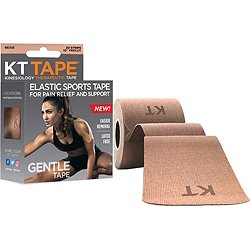
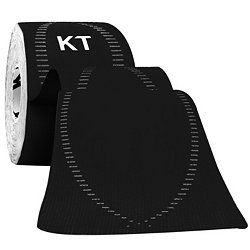
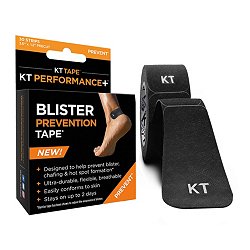
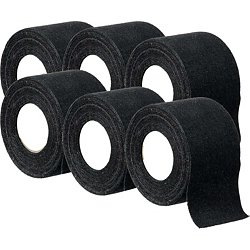
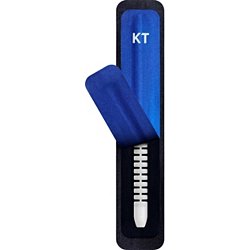
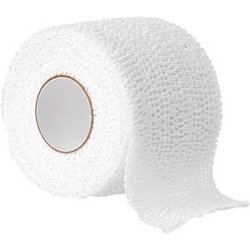
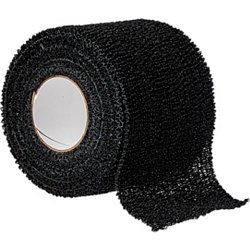
Discover our range of rehabilitation tape designed to support your recovery and enhance performance. Ideal for athletes and active individuals, these tapes provide targeted support to muscles and joints, helping to alleviate pain and prevent injuries. With strong adhesion and flexibility, our rehabilitation tape moves with you, ensuring comfort during any activity. Easy to apply and available in various sizes, it’s perfect for both professional and at-home use. Get back to your best with reliable rehabilitation tape that promotes healing and stability.
Rehabilitation tape, often referred to as kinesiology tape, is a flexible tape designed to support muscles and joints during physical activity. It is commonly used to alleviate pain, reduce swelling, and enhance mobility by mimicking the skin's elasticity. Athletes and individuals recovering from injuries often use it to provide support without restricting movement.
Rehabilitation tape offers several benefits, including pain relief, improved circulation, and enhanced muscle support. It can help stabilize injured areas while allowing for a full range of motion, which is crucial during rehabilitation. Additionally, the tape can aid in reducing inflammation and promoting faster recovery.
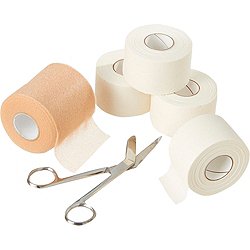
Yes, there are various types of rehabilitation tape available, each designed for specific needs and preferences. Some tapes are made from cotton for breathability, while others use synthetic materials for durability and water resistance. Additionally, tapes may come in different widths and lengths, catering to various application techniques and body areas.
The duration for which rehabilitation tape can be worn varies depending on the type of tape and individual skin sensitivity. Generally, it can be worn for several days, even during activities such as showering or exercising. However, it is important to monitor the skin for any signs of irritation and remove the tape if discomfort occurs.
Rehabilitation tape can be beneficial for a wide range of injuries, particularly those involving muscles, tendons, and joints. It is commonly used for sprains, strains, and overuse injuries. However, it is advisable to consult with a healthcare professional to ensure it is appropriate for your specific condition and to receive guidance on proper application.
Continue browsing