
Sports & Activities
Article Type
Marathon Clothing and Essentials Checklist
Whether you’re a seasoned marathoner or running your very first 26.2, a marathon checklist is a great way to be race day ready.
March 19, 2026
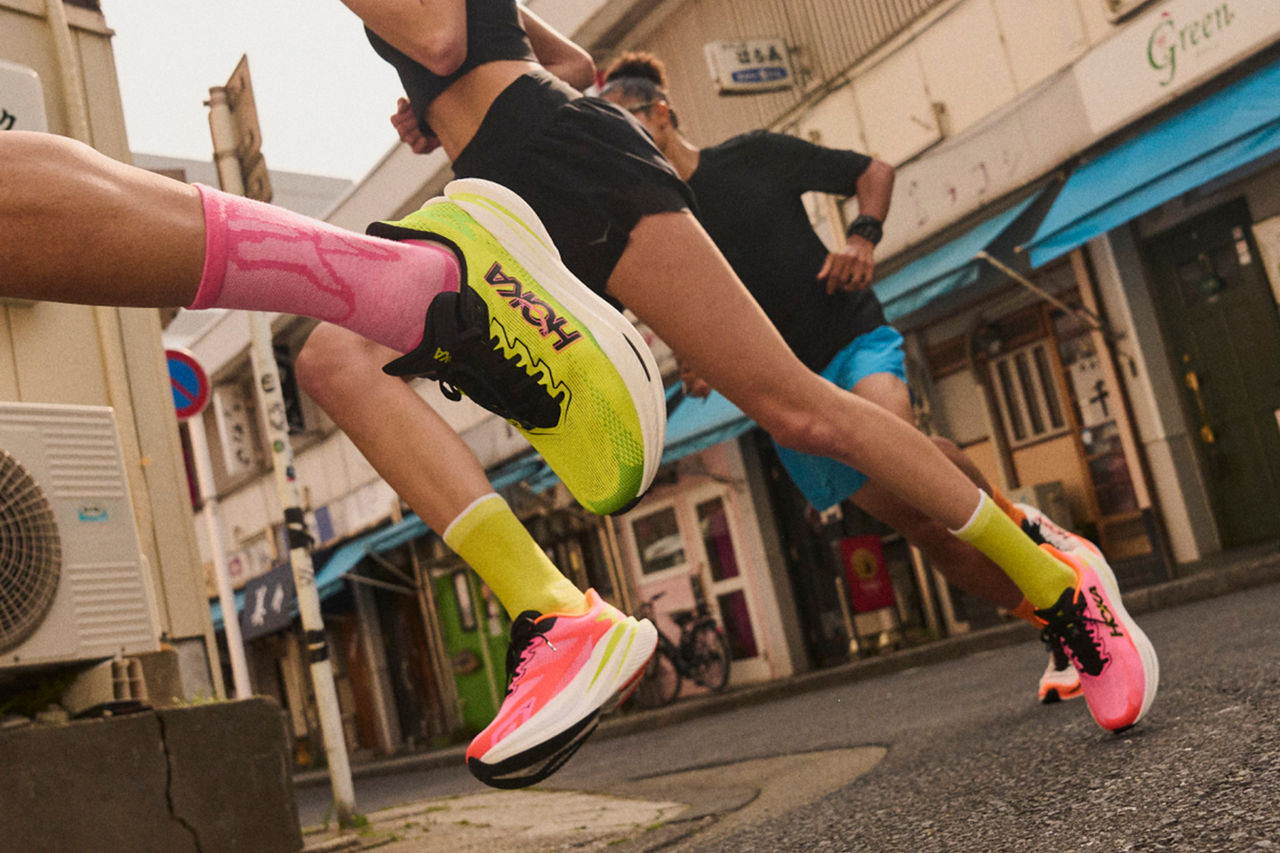
Running a marathon can be both exciting and intimidating, but one thing that shouldn’t worry you is the looming feeling of forgetting an important item on race day. Whether it’s your lucky socks or your favorite hair tie, don’t let the stress of forgetting something throw you off for your marathon.
From must-have running gear to post-race items, this list can help prepare you for the big day.
RUNNING CLOTHES, SHOES AND GEAR
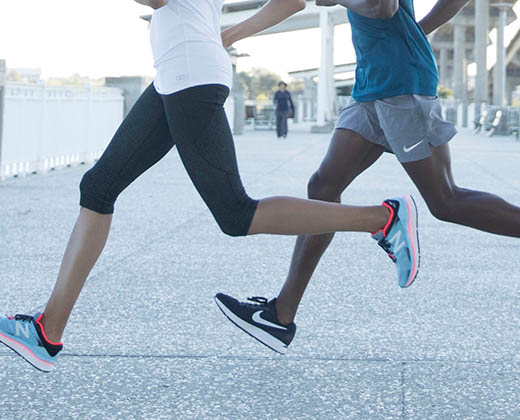
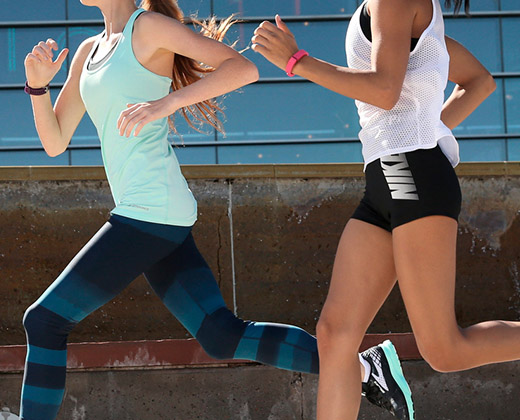
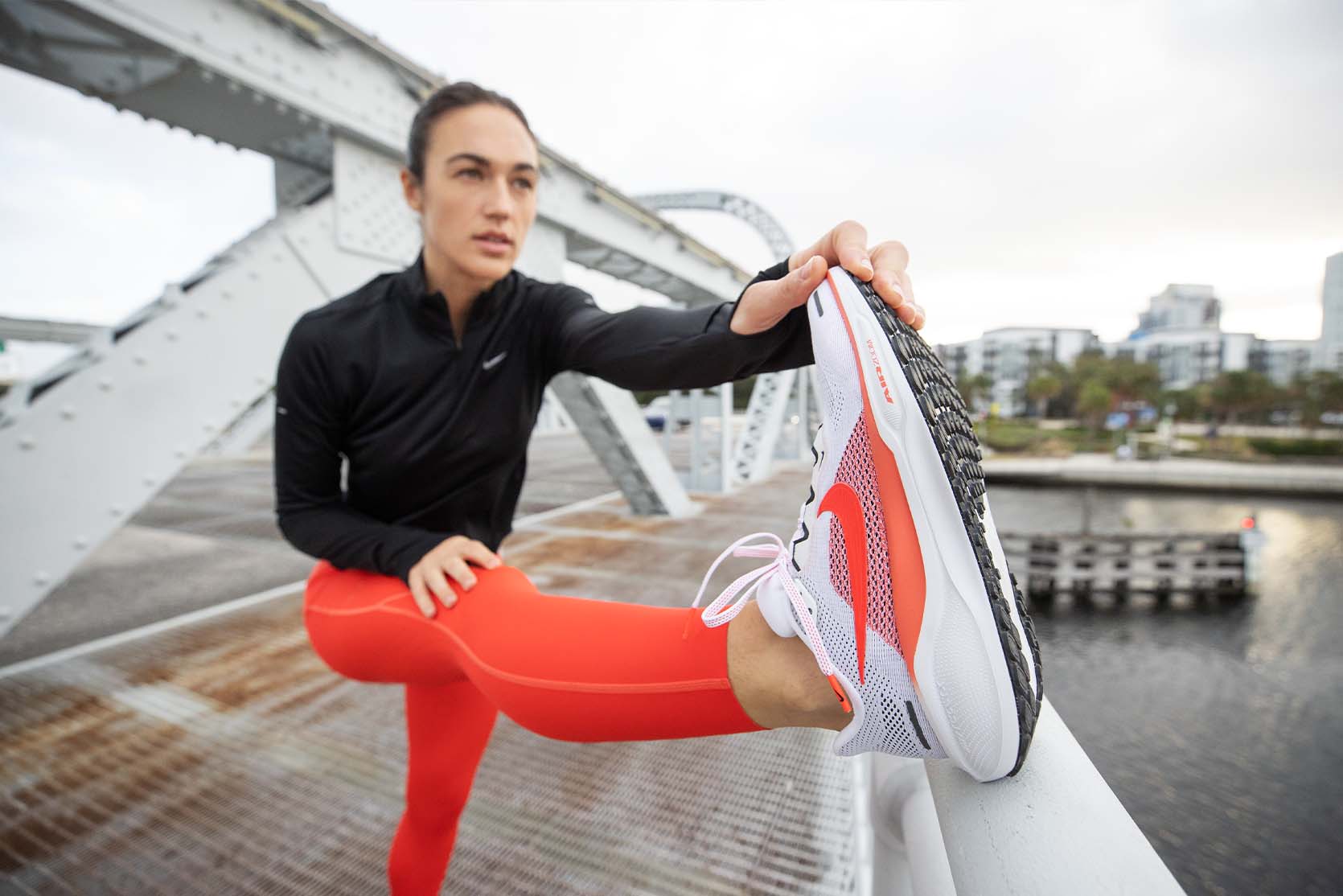
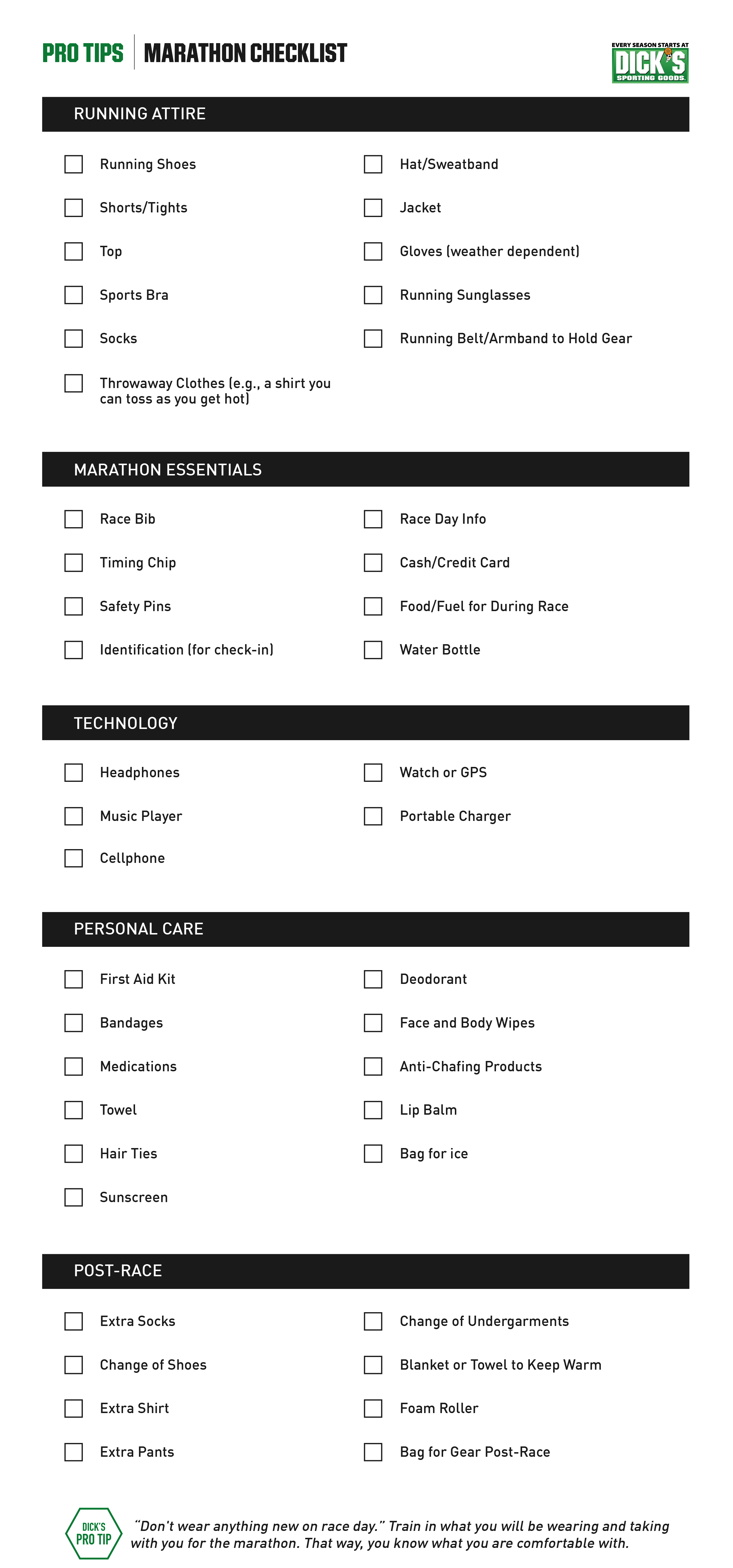
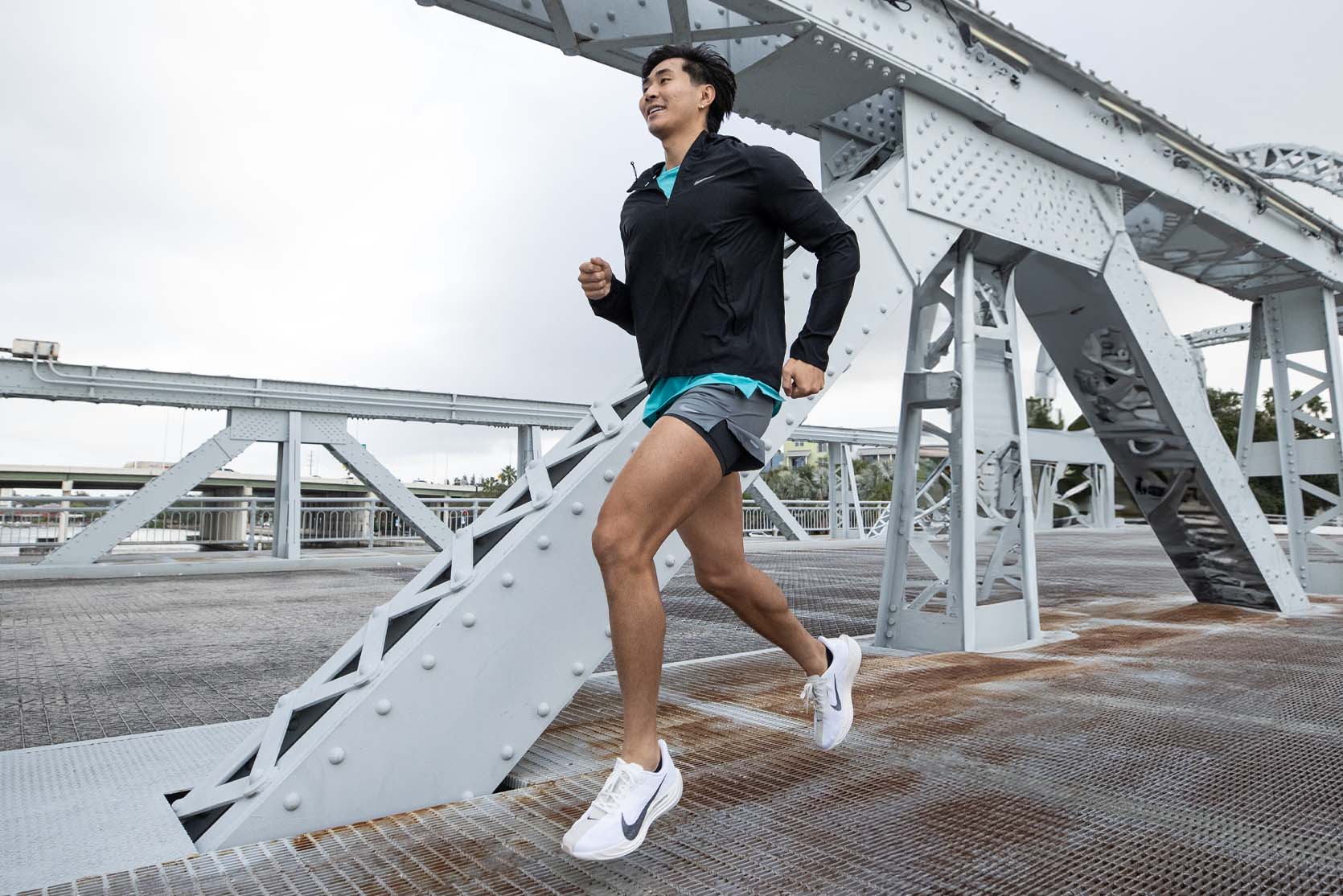
Your attire should be the first thing that you make sure to have. Know what running clothes you’ll be wearing, including your moisture-wicking shirt, pants, socks and shoes. Don’t forget to pack a sports bra and use our sports bra fitting guide to make sure your sports bra doesn’t cause discomfort during those 26.2 miles.
With shirts, opt for lightweight, moisture-wicking fabrics and avoid cotton as it tends to absorb sweat and increase chafing.
- Men's
- Women's
Running Pants
Like shirts, choosing a moisture-wicking pair of pants made of fabrics like polyester or spandex blends can help ventilation and prevent chafing.
- Men's
- Women's
Sports Bras
A properly fitted sports bra with the right level of support can help minimize discomfort and keep you focused through every mile of your marathon.
Running Shoes
Picking a running shoe is all about comfort. Make sure to choose your running shoe based on your arch type, gait analysis, running surface, and a cushioning level that works best for you.
- Men's
- Women's
Running Socks
When looking for socks for your marathon, consider socks with moisture-wicking fabrics that fit properly to avoid blisters and keep your feet dry.
An important factor when choosing your clothing is the weather. Depending on the temperature, you might need layers and other running accessories. If your marathon is in cold weather, being gear that you can take off as you get hot like a jacket, gloves or ear warmers. If the forecast calls for a hot, sunny day, then have a hat, sunglasses and sweatband ready.
When training, try out different running clothes as this will help you learn what to wear for a marathon by finding what is most comfortable for you. All your clothes for race day should be items you have trained in. To avoid surprises on race day, you don’t want to change up your running shoes or typical attire. You want to make sure you’re comfortable in your marathon clothes, so it’s not recommended to try something new.
MARATHON ESSENTIALS
To participate in an organized run, there are also marathon essentials you need to bring. For example, when checking in it’s common that you’ll need identification. At check-in you’ll get your race bib, safety pins and goodie bag. Sometimes races will provide timing chips. Other times it will be on the back of your bib. So, make sure to have those with you before you leave for the race.
Bring cash and/or a credit card. You may have to pay for parking. Also, part of the excitement of an organized race is the festival at the finish line, so having cash or a credit card means you can partake in the fun!
And don’t forget a water bottle. There are different water bottle options that can help keep you hydrated before, during and after the marathon. Consider bringing multiple bottles to the event so you can have one for water and another for a beverage with electrolytes.
Water Bottles
Consider bringing multiple bottles to the race so you can have one for water and another for a beverage with electrolytes.
Another race day tip is to bring fuel for the run. A distance run takes a lot of energy, so make sure you have something to eat during the race, typically something every 30-45 minutes. This could include gels, gummies, bars or some other solid carb source. The important thing is that you’ve tried them during your training. Also have a light meal the morning of the run. Bring extra fuel for after the race as well.
RUNNING TECHNOLOGY
A lot of technology is dependent on personal preference. If you enjoy jamming to music, don’t forget to pack your headphones. If you use your cellphone for your tunes or run-tracking apps, it could drain your battery. To avoid this, make sure to bring a portable charger for after the race.
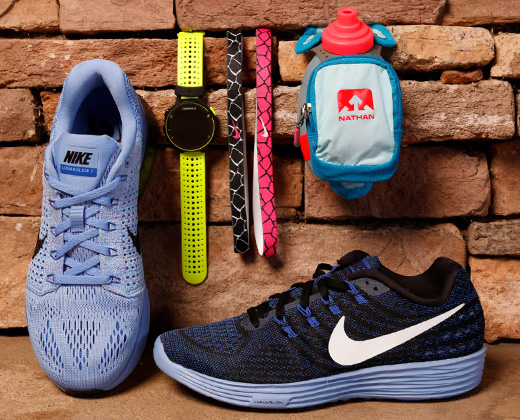
Other running gear that comes in handy is wearable technology. Make sure you have your watch, heart rate monitor or GPS tracker charged the night before. For technology that you don’t wear or hold, make sure you have armbands or belts to carry them.
Running Tech
Train with your running tech ahead of race day to ensure your gear feels comfortable and won’t distract you over long miles.
PERSONAL CARE
It’s important to bring your own personal first aid kit. This could contain items such as bandages, lip balm and any medications. Pack a marathon kit bag with runners’ supplies for before and after the race. This could include anti-chafing products, sunscreen, deodorant, extra hair ties, face and body wipes and a bag for ice.
If you need any support for your run, like compression sleeves for your arms or calves, make sure you have it ready to go. This could also include a knee strap or brace and kinesiology tape.
POST-RACE RECOVERY
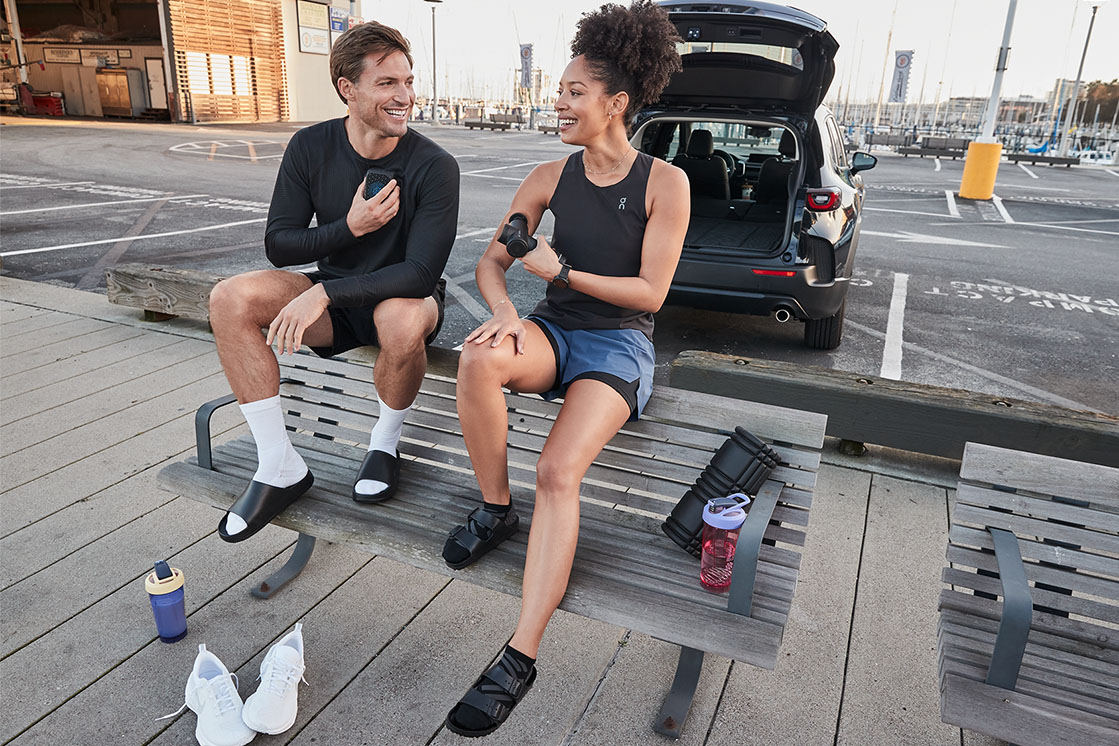
After running for 26.2 miles, you’ll be ready to change out of your race clothing. Bring an extra pair of socks, pants, undergarments and sandals as your feet will most likely swell, as well as a fresh shirt. This will help you feel comfortable for any post-race activities that you’ll be partaking in. Of course, make sure to have a bag to carry all of these things in.
After you finish your run, you’ll start to cool down, so bring a blanket or towel to keep you warm. If you use a foam roller to stretch out post-race, have that with you as well.
Recovery essentials
Recovery looks different for every runner, so take time to consider what you might need post‑race when packing your recovery essentials.
You’ve already crossed marathon training off your list. Now, with the help of this marathon checklist, you can further prepare yourself for the race and tackle your marathon!

© 2026 DICK's Sporting Goods
*Price Promotions - Due to manufacturer restrictions, select new release and other specified products are excluded from price promotions. Additionally, there are restrictions on the use of coupon codes.
If you are using a screen reader and are having problems using this website, please call 877-846-9997 for assistance.