â
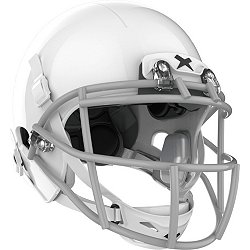
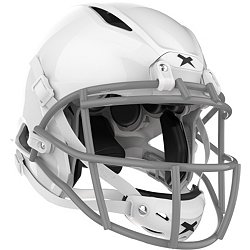
Discover the advanced protection and performance of the Xenith X2E helmet, designed for athletes who prioritize safety on the field. Featuring cutting-edge impact absorption technology, this helmet ensures optimal safety without compromising comfort. Its lightweight design and customizable fit provide enhanced stability during play, allowing for maximum focus and agility. With superior ventilation, players can stay cool and comfortable throughout the game. Elevate your game with the Xenith X2E helmet, where innovation meets reliability for the ultimate in head protection.
When selecting a youth football helmet, consider features such as impact protection, fit, and comfort. Look for helmets with advanced padding systems that absorb shock and provide a snug fit. Additionally, ventilation and moisture-wicking materials can enhance comfort during play.
To find the right size for a football helmet, measure the circumference of the player's head just above the eyebrows and around the largest part of the back of the head. Compare these measurements to the sizing chart provided by the manufacturer. A proper fit should feel snug but not overly tight, allowing for some movement without compromising protection.
Football helmets are typically made from a combination of high-impact polycarbonate shells and various types of foam padding. The outer shell provides durability and protection, while the inner foam absorbs impact energy. Some helmets also incorporate advanced materials for enhanced safety and comfort.
Football helmets should be replaced every 3 to 5 years, depending on usage and condition. Regularly inspect the helmet for signs of wear, such as cracks in the shell or deterioration of the padding. If the helmet has been involved in a significant impact, it is advisable to replace it immediately, regardless of its age.
Proper helmet maintenance is crucial for ensuring safety and performance. Regularly clean the helmet according to the manufacturer's guidelines to prevent the buildup of bacteria and odor. Additionally, store the helmet in a cool, dry place and avoid exposing it to extreme temperatures to maintain its structural integrity.
Yes, there are different styles of football helmets designed to cater to the needs of various positions. For example, some helmets offer more face protection for linemen, while others may prioritize visibility and mobility for skill positions. Understanding the specific requirements of each position can help in selecting the most suitable helmet.
Continue browsing