â
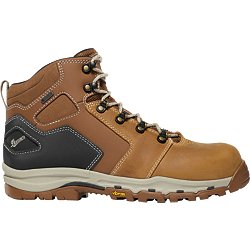
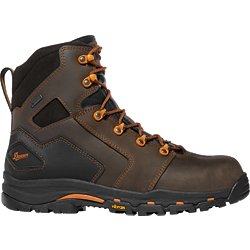
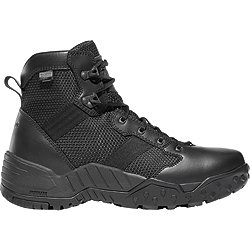
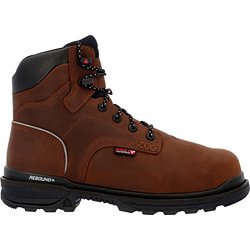
Stay safe and stylish with our collection of boots for slippery surfaces. Designed for maximum traction and stability, these boots feature advanced grip technology to help you navigate icy and wet conditions with confidence. Crafted from waterproof materials, they ensure your feet stay dry while providing comfort and support. Perfect for outdoor adventures or everyday wear, our selection combines functionality with durability. Equip yourself with the right footwear to tackle any slippery terrain and enjoy peace of mind in every step.
When selecting boots for slippery surfaces, look for features that enhance traction and stability. Outsoles made from rubber or specialized materials often provide better grip on ice and wet conditions. Additionally, consider boots with deep treads or traction devices that can be added for extra grip. Waterproofing is also important to keep your feet dry in wet environments, ensuring comfort and warmth.
To determine the right size for boots intended for use on slippery surfaces, start by measuring your foot length and width. It's important to refer to the sizing chart provided by the manufacturer, as sizes can vary between brands. Consider the type of socks you plan to wear with the boots, as thicker socks may require a slightly larger size for comfort. Additionally, ensure there is enough room for your toes to move while still providing a snug fit around the heel to prevent slipping.
When looking for boots that provide traction on slippery surfaces, materials with rubber outsoles are often preferred due to their grip and flexibility. Additionally, boots featuring specialized traction devices or treads can enhance stability on ice and wet terrain. Waterproof materials are also important to keep feet dry and comfortable in adverse conditions. Insulation can be beneficial for warmth, especially in colder environments.
Yes, certain styles of boots are designed to provide better traction and stability on icy or wet surfaces. Look for boots that feature specialized outsoles with enhanced grip patterns or materials that improve traction. Waterproof construction is also beneficial, as it helps keep your feet dry in wet conditions. Additionally, some boots may include removable traction devices that can be added for extra grip when needed.
The tread patterns on boots play a crucial role in their performance on slippery surfaces. Deep grooves and multidirectional lugs enhance traction by providing better grip and preventing slips. Additionally, specific patterns can help channel water away from the sole, reducing the risk of hydroplaning. Overall, a well-designed tread pattern can significantly improve stability and confidence when walking on slick terrain.
Boots designed for slippery conditions are ideal for various outdoor activities, particularly in winter weather or wet environments. They provide enhanced traction, making them suitable for walking on ice, snow, or wet surfaces. These boots are also beneficial for tasks that require stability and grip, such as hiking in challenging terrains or working in slippery conditions. Additionally, they often feature waterproof materials to keep feet dry and comfortable in adverse weather.
To ensure the durability of boots used frequently on slippery surfaces, consider selecting models made from high-quality, waterproof materials that can withstand harsh conditions. Regularly clean and maintain the boots to remove dirt and debris that can wear down the materials. Additionally, using traction devices can help protect the soles from excessive wear while providing better grip. Finally, store the boots in a cool, dry place to prevent damage from moisture and temperature fluctuations.
Waterproof boots are designed to keep your feet dry in wet conditions, making them ideal for slippery surfaces where water or snow is present. They typically feature sealed seams and waterproof materials that prevent moisture from entering. Non-waterproof boots, while often lighter and more breathable, may not provide the same level of protection against water, which can lead to discomfort in wet environments. Choosing between the two depends on the specific conditions you expect to encounter and your need for moisture management.
Yes, seasonal considerations are important when selecting boots for slippery surfaces. In winter, look for boots with features like waterproof materials and insulation to keep feet warm and dry, while also providing traction on ice and snow. During the rainy season, prioritize boots with slip-resistant soles and breathable materials to ensure comfort and stability on wet surfaces. Additionally, consider the fit and style to accommodate thicker socks or layering for colder weather.
When selecting boots for slippery environments, consider features that enhance comfort and stability. Look for boots with cushioned insoles and supportive midsoles to provide comfort during extended wear. Additionally, waterproof materials can help keep your feet dry, while adjustable closures ensure a secure fit. Outsoles with good traction patterns are also important for maintaining grip on slick surfaces.
Continue browsing



 (23)