â
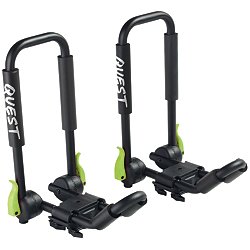
Transport your kayak with ease using our versatile crossbar kayak carriers. Designed for secure and stable transportation, these carriers feature adjustable straps and padded cradles to protect your kayak during transit. Compatible with most vehicle crossbars, they ensure a snug fit for various kayak sizes. Lightweight yet durable, our carriers make loading and unloading a breeze, allowing you to focus on your next adventure. Explore the water confidently with a reliable crossbar kayak carrier that simplifies your journey from home to the water.
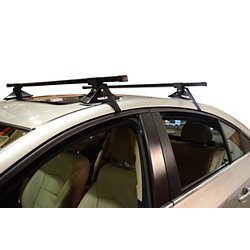
A crossbar kayak carrier is a type of rack designed to securely transport kayaks on the roof of a vehicle. It typically attaches to the crossbars of a roof rack system, providing a stable platform for loading and securing the kayak during transit. These carriers often include adjustable straps or cradles to hold the kayak in place, ensuring safe and efficient transportation.
When selecting a crossbar kayak carrier, consider features such as weight capacity, ease of installation, and compatibility with your vehicle's roof rack. Look for carriers that offer adjustable padding or cradles to protect your kayak and prevent shifting during travel. Additionally, features like built-in tie-down straps can enhance security and convenience.
Crossbar kayak carriers are generally designed to accommodate a variety of kayak shapes and sizes, but it's important to check the specifications of the carrier to ensure compatibility with your specific kayak. Some carriers may be better suited for certain styles, such as sit-on-top or touring kayaks, so understanding the dimensions and weight of your kayak can help you choose the right carrier.
To secure a kayak to a crossbar kayak carrier, first, place the kayak on the carrier and center it evenly. Use the provided straps or tie-downs to secure the kayak, ensuring they are tight but not overly so to avoid damaging the kayak. It's also advisable to double-check the security of the straps before driving, especially on longer trips.
Yes, crossbar kayak carriers are designed to withstand various weather conditions, but it's important to take precautions. Ensure that the kayak is securely fastened to prevent movement in windy conditions. Additionally, if you're transporting your kayak in rain or snow, consider using protective covers to shield it from the elements.
Maintaining a crossbar kayak carrier involves regular checks for any signs of wear or damage, especially on straps and mounting hardware. It's also a good idea to clean the carrier periodically to remove dirt and debris that may accumulate. Ensuring all connections are tight and functional will help prolong the life of the carrier.
Continue browsing