â
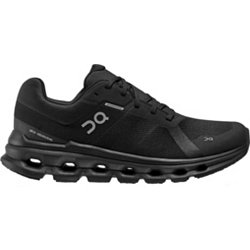
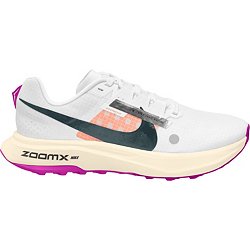
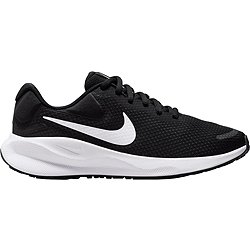
Discover the ultimate long distance running shoes designed for comfort and performance. Engineered with lightweight materials and responsive cushioning, these shoes provide the support you need for those extended miles. Breathable uppers ensure optimal airflow, keeping your feet cool and dry during your runs. With enhanced traction and stability, you can tackle various terrains with confidence. Elevate your running experience and achieve your personal best with footwear that combines durability and style, perfect for every long-distance runner.
When selecting long distance running shoes, consider features such as cushioning, support, and breathability. A well-cushioned shoe can help absorb impact over long distances, while adequate support is essential for maintaining proper foot alignment. Additionally, breathable materials can keep your feet cool and comfortable during extended runs.
Finding the right fit for long distance running shoes is crucial for comfort and performance. Ensure there is enough space in the toe box to allow for natural movement, while the heel should fit snugly without slipping. It's also advisable to try shoes on at the end of the day when your feet are slightly swollen to get a more accurate fit.
Long distance running shoes come in various types, including neutral shoes, stability shoes, and motion control shoes. Neutral shoes are designed for runners with a natural gait, while stability shoes offer additional support for those who overpronate. Motion control shoes provide maximum support for severe overpronators, helping to prevent injuries during long runs.
Long distance running shoes are typically made from lightweight and breathable materials such as mesh, synthetic fabrics, and foam cushioning. These materials help reduce the overall weight of the shoe while providing necessary ventilation and comfort. Additionally, many shoes feature rubber outsoles for durability and traction on various surfaces.
It's generally recommended to replace long distance running shoes every 300 to 500 miles, depending on your running style and the shoe's construction. Signs that it's time for a replacement include decreased cushioning, visible wear on the outsole, and discomfort during runs. Regularly assessing your shoes can help prevent injuries and maintain optimal performance.
Continue browsing



 (60)
(60)