â
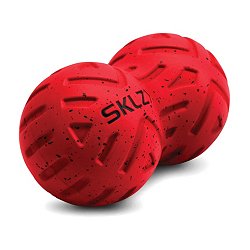
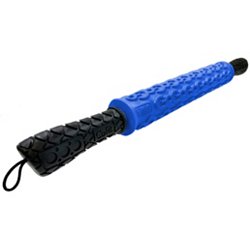
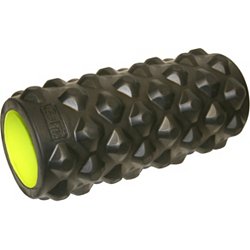
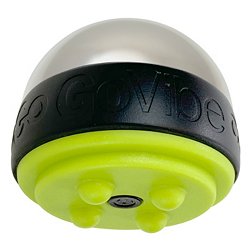
Explore our selection of massage recovery tools designed to aid in muscle recovery and relaxation. These versatile tools can provide targeted relief for sore muscles, improve circulation, and enhance flexibility. With options featuring ergonomic designs, adjustable pressure settings, and various massage techniques, you can customize your recovery experience. Suitable for use at home or on the go, these tools may help alleviate tension and promote overall well-being after workouts or daily activities. Discover the potential benefits of incorporating a massage recovery tool into your routine.
Massage recovery tools can help relieve muscle soreness, improve circulation, and reduce inflammation. They are designed to target specific muscle groups, aiding in the release of muscle adhesions and promoting faster recovery after workouts. Regular use can enhance flexibility and mobility, making them a valuable addition to any fitness routine.
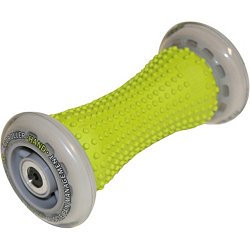
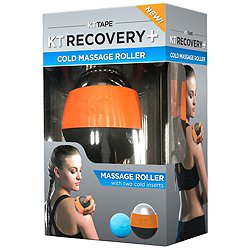
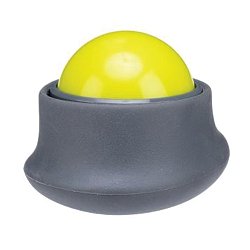
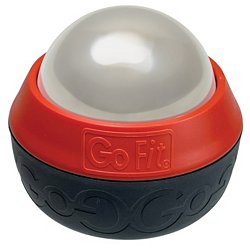
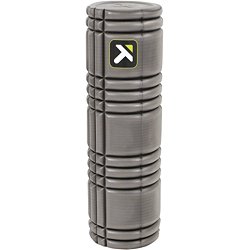
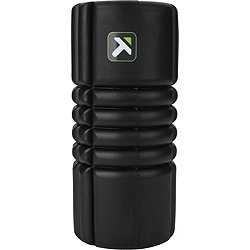
There are various types of massage recovery tools available, including rollers, handheld massagers, and kits that combine stretching and massage. Each type offers different features, such as adjustable pressure, ergonomic designs, and the ability to target specific muscle groups. This variety allows users to choose tools that best fit their recovery needs.
When selecting a massage recovery tool, consider factors such as the areas of your body that need attention, the intensity of massage you prefer, and whether you want a portable option. Tools with adjustable pressure settings can provide a customizable experience, while those designed for specific muscle groups can offer targeted relief. It's important to assess your personal recovery goals to find the best fit.
Yes, many massage recovery tools are versatile enough to be used both before and after workouts. Using them before exercise can help warm up muscles and improve flexibility, while post-workout use aids in muscle recovery and reduces soreness. Incorporating these tools into your routine can enhance overall performance and recovery.
Massage recovery tools are typically made from a variety of materials, including durable plastics, rubber, and foam. These materials are chosen for their ability to provide effective pressure and support while ensuring comfort during use. High-quality construction is essential for durability and performance, especially for tools designed for heavy use.
Massage recovery tools help alleviate muscle tension by applying targeted pressure to sore or tight areas. This pressure can break up muscle adhesions and promote blood flow, which aids in the healing process. Regular use can lead to improved muscle elasticity and reduced stiffness, contributing to better overall mobility.
Yes, massage recovery tools can be beneficial for individuals at all fitness levels, from beginners to advanced athletes. They can be adjusted to accommodate different levels of intensity and can be used to address various muscle groups. Whether you're recovering from a light workout or a more intense training session, these tools can support your recovery process.
The frequency of using a massage recovery tool can vary based on individual needs and activity levels. Many people find it beneficial to use these tools several times a week, especially after intense workouts or physical activity. Listening to your body and adjusting usage based on soreness and recovery needs is key to maximizing the benefits.
Continue browsing



 (8)
(8)