â
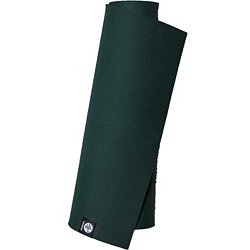
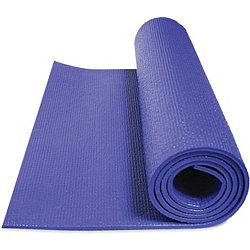
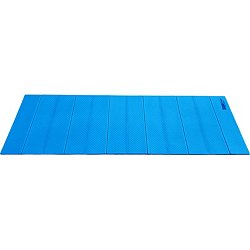
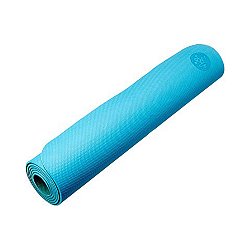
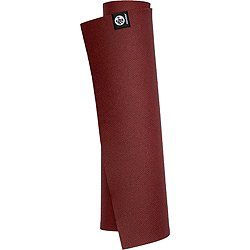
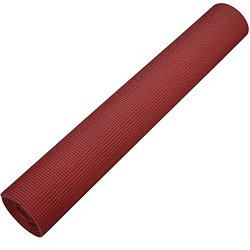
Enhance your practice with our premium textured yoga mats, designed for stability and grip during every pose. Crafted from durable materials, these mats provide excellent cushioning and support, ensuring comfort for all skill levels. The textured surface helps prevent slipping, allowing you to focus on your flow without distractions. Lightweight and portable, our yoga mats are perfect for home use or on-the-go sessions. Elevate your yoga experience and find your balance with a mat that combines functionality and style.
Textured yoga mats provide enhanced grip and stability, which can help prevent slipping during practice. The surface texture allows for better traction, making it easier to maintain poses, especially in more challenging or dynamic sequences. Additionally, the texture can add a tactile element to your practice, promoting mindfulness and focus.
Textured yoga mats are often made from a variety of materials, including natural rubber, PVC, and TPE. Natural rubber mats are known for their eco-friendliness and excellent grip, while PVC mats offer durability and affordability. TPE is a newer material that combines comfort and sustainability, making it a popular choice for many yogis.
Yes, textured yoga mats are suitable for various styles of yoga, including Hatha, Vinyasa, and Ashtanga. The added grip and stability they provide can be particularly beneficial for more vigorous practices that involve a lot of movement. However, personal preference plays a significant role, so it's essential to choose a mat that feels comfortable for your specific practice.
The thickness of a textured yoga mat can greatly affect your comfort and stability during practice. Thicker mats provide more cushioning, which can be beneficial for those with joint sensitivity or for restorative practices. Conversely, thinner mats offer better stability and connection to the ground, making them ideal for more active styles of yoga. Consider your practice style and personal comfort when selecting the thickness.
Textured yoga mats are versatile and can be used on various surfaces, including hardwood floors, carpet, and tile. However, the level of grip may vary depending on the surface type. It's important to ensure that the mat is placed on a stable, flat surface to maximize its effectiveness and prevent slipping during your practice.
To maintain the quality of your textured yoga mat, it's important to clean it regularly and store it properly. Wipe down the mat with a gentle cleanser after each use to remove sweat and dirt. Additionally, avoid exposing the mat to direct sunlight for prolonged periods, as this can degrade the material over time. Proper care will help extend the lifespan of your mat and keep it in good condition.
Continue browsing



 (4)
(4)