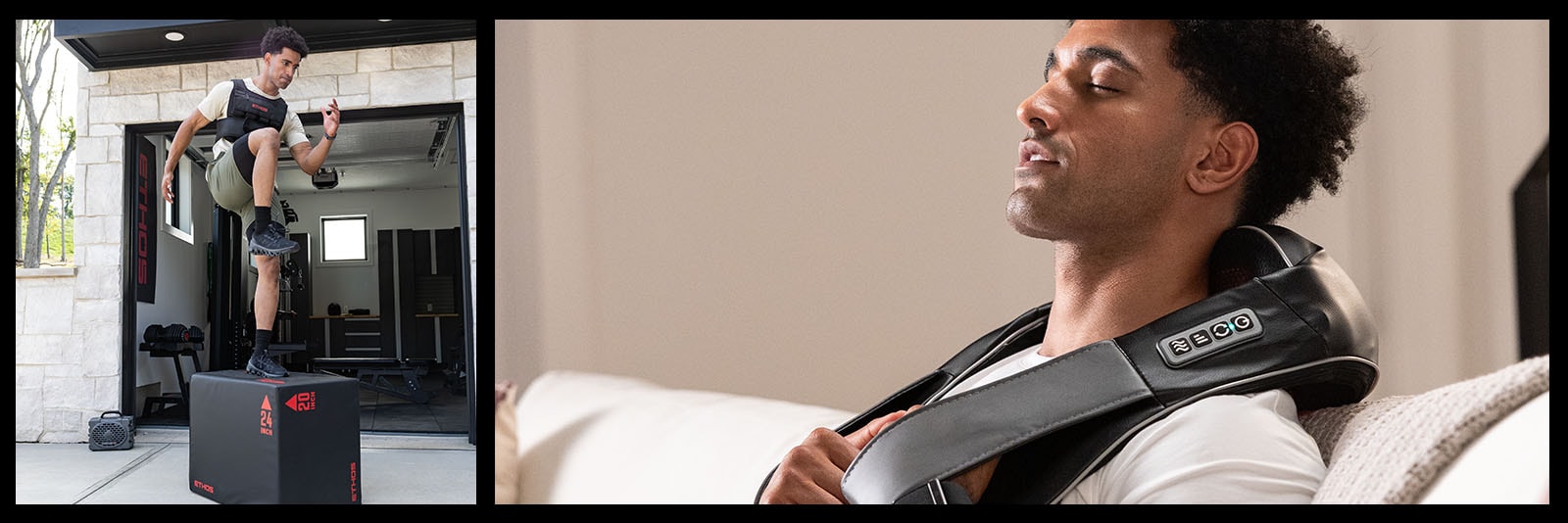
Fall Fitness Refresh: 4 Healthy Habits to Build Before the Holidays
Fall is the perfect time to reset your fitness routine. After summer vacation and the busy back-to-school season, but before schedules get too crowded with holiday travel, there's time to build up healthy habits and a fall fitness routine that sets you up for success throughout the holidays and into the new year.
Not sure where to start? Don't sweat it. Rather than waiting until January for a complete overhaul of your routine, fall is an ideal time for consistent habit formation. As temperatures start to drop, start small, focus on a sustainable routine and prioritize healthy habits rather than quick fixes.
We've put together this list of the top four healthy habits to focus on this fall to help you get started:
1. Build a Daily Movement Routine
Start working more movement into your everyday routine. Focus on consistency over intensity and find simple ways to move more.
Habit stacking is a popular strategy that involves attaching new habits onto existing ones. For example, you can habit stack your morning coffee with stretching. That way, each day after you have your morning coffee, you take a short 5-minute stretch break to start your day. "Stacking" your new habit onto an existing one helps you stay consistent and integrates actions into your existing routine, rather than requiring you to create a new one.
Whether you're habit stacking or setting aside dedicated time to get active, here are some ways you can start working more movement into your day:
- Walking: Lace up your favorite walking shoes. Depending on what works with your schedule, you can add multiple 5–10-minute walking breaks into your day or use a walking pad while working. Need a little extra motivation? Walking challenges can turn daily walks into a game or community challenge. Create a challenge amongst your friends and family or download an app with virtual milestones and targets.
- "Exercise Snacks": Exercise snacks are short, 5–10-minute movement breaks integrated throughout your day. You can break up a longer workout into short sessions or fill these exercise breaks with anything from squats and lunges to stair climbing or quick yoga sessions.
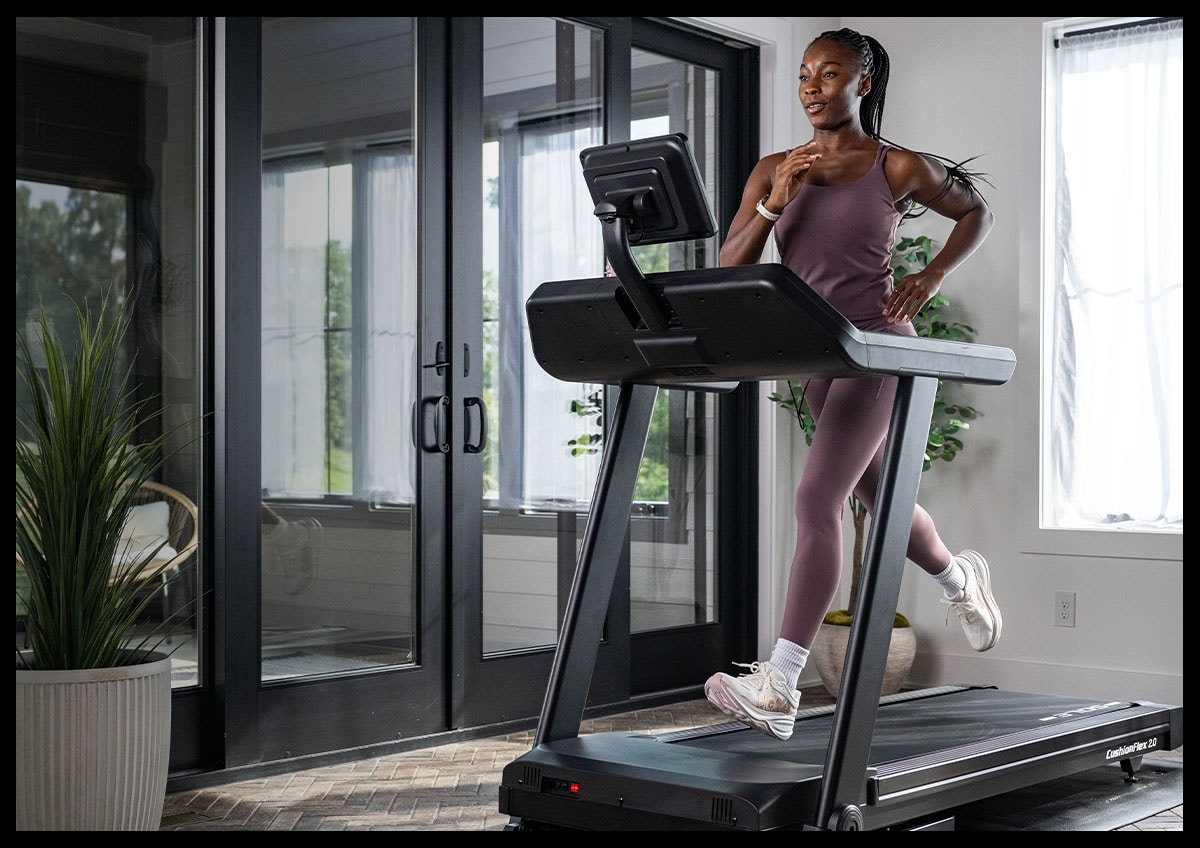
- Zone 2 Cardio: Zone 2 cardio includes low-intensity aerobic exercises like brisk walking, slow jogging at a relaxed pace and light cycling. With zone 2 cardio exercises, your heart rate should increase slightly but you should remain in a controlled, paced state that allows you to comfortably build up endurance without overworking yourself or burning out.
- Daily Goals & Tracking: Set daily activity goals for yourself. Modern fitness trackers, watches and rings make it easy to set movement goals and track your progress throughout the day.
Any type of extra movement added into your day is progress. The key to a successful fall fitness refresh is staying consistent, so try to focus on sustainable movement routines that you can maintain throughout the upcoming winter months.
2. Start Strength Training Before the Holidays
Regular strength training can help build muscle mass, improve endurance and increase strength.
Start integrating 2-3 strength training sessions into your routine each week as a part of your fall fitness refresh. Establishing this consistency before your busy holiday schedule starts can help you create a steady routine that's easier to stick to.
Find a strength training workout that fits your experience level and your schedule:
At-Home Strength Training for Beginners
At-home bodyweight workouts do not require any equipment and are a good option for beginners or anyone who might be traveling over the holidays.
Popular no-equipment bodyweight strength training exercises include:
- Squats
- Lunges
- Front & Side Planks
Check out our full at-home bodyweight workout plan for more exercises and info.
Resistance Training
Resistance training can help build strength and power by working your muscles against an opposing force or resistance.
Resistance bands are portable and versatile, making them a great option for strength training at home, at the gym and on-the-go.
View our guides on lower body resistance band exercises and upper body resistance band exercises to get started, plus check out our resistance band buying guide for help choosing the right option for you.
Weight Training
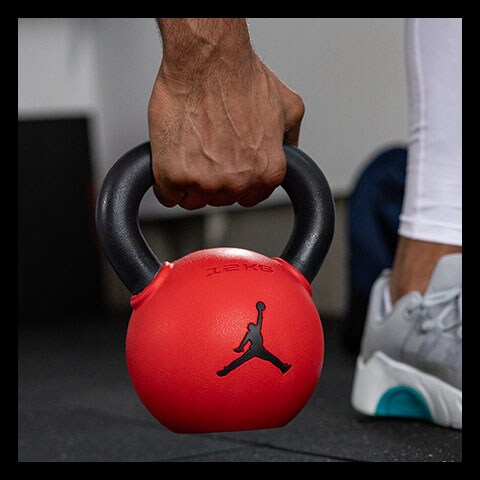
Weight training uses equipment to build strength and condition muscles. Dumbbells, kettlebells and weight benches are popular home equipment options for weight training.
Find out how to do popular weight training exercises with our step-by-step guides on Romanian Deadlifts, kettlebell workouts and dumbbell floor presses.
Pro Tip: Form is the key to successful strength training. Be sure to follow proper guidelines and instructions to ensure your strength training is safe and effective.
3. Prioritize Recovery
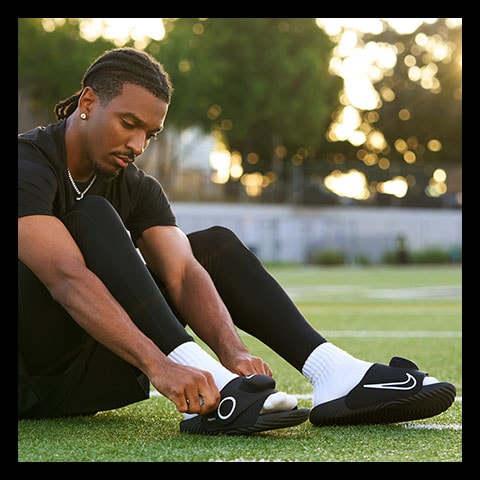
Treat recovery like it's a part of your workout. Recovery gives your body time to adapt and can help support long-term performance and consistency.
Add time for rest and recovery into your fall fitness routine by prioritizing both active recovery and rest days.
Rest days are still productive. Refraining from strenuous exercise can give your body adequate time to heal, recover and be ready for your next workout.
Active recovery is light movement between training sessions to help maintain momentum, aid with soreness and promote muscle repair.
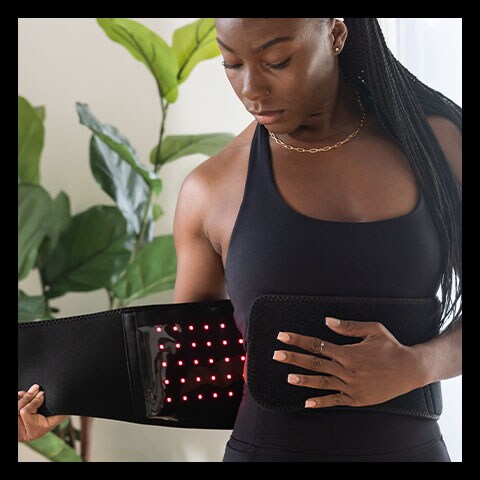
Recovery Tools
Building a Recovery Routine
Work rest days into your weekly fall fitness routine and develop a post-workout recovery plan to help your body recuperate. Focus on key recovery elements like:
- Rehydrating
- Refueling
- Stretching & Mobility Exercises
Recovery doesn't need to be complicated, it's all about what works best for you and your body. Test out different active recovery practices and rest day schedules as you refresh your fall fitness habits to find the best recovery routine for you.
4. Step Up Your Sleep Routine
Along with movement, strength and recovery, sleep is an important part of your daily routine. Sleep can help promote recovery, performance and energy levels.
Fall provides a great opportunity to reset your evenings. Create a consistent fall season sleep routine that helps you wind down each night and keeps your wake and sleep times steady.
Some trackers and smart rings like QALO rings and WHOOP fitness trackers have built-in features like sleep tracking and recovery scores to help you monitor and optimize your sleep.
Fall Fitness Refresh Checklist
Start small and work fitness into your routine every day to establish healthy habits before the holiday season hits.
Use this checklist as a quick reference and guide to update your routine:
- Move every day and work towards recommended daily activity levels
- Start incorporating strength training into your routine twice a week
- Integrate active recovery and rest days into your regular schedule
- Establish a consistent sleep schedule and evening routine
Always remember to take things at your own pace. The right fall fitness routine for you is intentional, consistent and filled with healthy habits to set you up for success throughout fall and the holiday season.