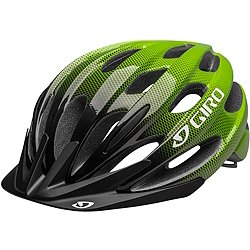
â
Our Hiking Helmets sold out quickly! Explore similar styles now!
When selecting a hiking helmet, consider features such as ventilation, weight, and fit. A well-ventilated helmet will keep you cool during strenuous hikes, while a lightweight design ensures comfort over long distances. Additionally, adjustable straps and padding can help achieve a secure and comfortable fit, which is crucial for safety.
Hiking helmets are primarily designed for hiking and climbing, but they can also be suitable for other outdoor activities like mountaineering and biking. However, it's important to ensure that the helmet meets the safety standards for the specific activity you plan to engage in. Always check the specifications to confirm its intended use.
To find the right size for a hiking helmet, measure the circumference of your head just above your ears. Most helmets come with sizing charts that correlate head measurements to sizes. It's also beneficial to try on different models to ensure a snug yet comfortable fit, as different brands may have slight variations in sizing.
Hiking helmets are typically made from lightweight materials such as polycarbonate or EPS foam, which provide both durability and impact resistance. Some helmets may also feature additional padding for comfort and moisture-wicking liners to keep you dry during your hike. Understanding the materials can help you choose a helmet that balances protection and comfort.
Hiking helmets enhance safety by providing protection against falling rocks, branches, and impacts during climbs. They are designed to absorb shock and distribute the force of an impact, reducing the risk of head injuries. Additionally, many helmets include features like a visor to shield your eyes from the sun and debris, further improving your safety on the trail.
Continue browsing