â
Enhance your fishing game with our premium selection of jerkbaits, designed to attract a variety of freshwater species. These lures feature realistic swimming actions and vibrant colors that mimic baitfish, making them irresistible to hungry predators. Crafted with durable materials, they ensure long-lasting performance and reliability on the water. Whether you're casting in shallow or deep waters, our jerkbaits provide the versatility you need for successful fishing trips. Equip yourself with these essential tools and experience the thrill of the catch like never before.
 (3)
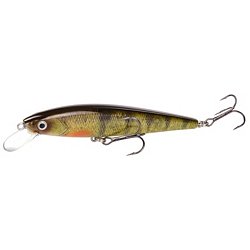
A jerkbait is a type of fishing lure designed to mimic the erratic movement of injured baitfish. It typically features a slender body and is often used in freshwater fishing to target species like bass. Anglers use a series of sharp, quick jerks followed by pauses to create a lifelike action that can entice fish to strike. This technique is effective in various water conditions and can be adapted to different fishing environments.
When selecting a jerkbait, consider the size and shape, as these factors influence its action in the water. Look for features such as a realistic finish and color patterns that mimic local baitfish, which can enhance its effectiveness. Additionally, the weight and buoyancy of the jerkbait can affect how it performs during retrieval, so choose one that suits your fishing style and target species. Finally, examine the hooks and hardware for quality, as these components are crucial for ensuring successful catches.
When choosing the right size jerkbait for your fishing needs, consider the type of fish you are targeting and the water conditions. Smaller jerkbaits are often effective for catching panfish and smaller species, while larger sizes can attract bigger game fish. Additionally, think about the depth at which you plan to fish; larger jerkbaits may dive deeper, making them suitable for deeper waters. Experimenting with different sizes can help you determine what works best in your specific fishing environment.
Jerkbaits are commonly used to catch a variety of freshwater fish, including bass, pike, and walleye. Their erratic movement mimics injured prey, making them particularly effective for enticing predatory species. Anglers often use jerkbaits during different seasons, especially in cooler waters when fish are more likely to strike at a moving target. The versatility in size and action allows for targeting specific species based on their feeding habits.
Jerkbaits are typically made from a variety of materials, including plastic and wood. Plastic jerkbaits are often lightweight and durable, allowing for a range of colors and finishes. Wooden jerkbaits can provide a more natural look and feel in the water, often used for their unique buoyancy and action. Many jerkbaits also feature metal components, such as hooks and split rings, to enhance their performance and durability.
The design of a jerkbait plays a crucial role in its performance by influencing its action, depth, and visibility in the water. Features such as body shape, weight distribution, and lip design determine how the lure moves and reacts to retrieval techniques, creating enticing motions that attract fish. Additionally, the color and finish can enhance visibility, making it easier for fish to spot the lure in various water conditions. Overall, a well-designed jerkbait can mimic the movement of prey, increasing the chances of a successful catch.
Yes, there are several techniques for using jerkbaits effectively. A common method is the "jerk, pause, jerk" technique, where you make quick, sharp jerks of the rod followed by a pause to mimic the erratic movement of a distressed baitfish. Varying the speed and length of the pauses can help trigger strikes, as fish may respond differently depending on their activity level. Additionally, adjusting the depth at which you retrieve the jerkbait can be beneficial, as fish may be holding at different depths throughout the day.
Jerkbaits are versatile lures that can effectively mimic the erratic movement of injured baitfish, making them appealing to predatory fish. They are designed to be retrieved with a series of sharp jerks followed by pauses, which can trigger strikes from fish that are less active. Additionally, jerkbaits can be used in various water conditions and depths, allowing anglers to adapt their fishing strategy based on the environment. Their realistic appearance and action can attract fish in both freshwater and saltwater settings.
Water conditions play a significant role in selecting the right jerkbait. In clear water, more natural colors and subtle actions tend to be effective, while in murky water, brighter colors and more pronounced movements can attract fish. Additionally, water temperature can affect fish behavior; during colder months, a slower retrieve may be more effective, whereas warmer conditions might call for a faster, more erratic action. Understanding these factors can help anglers choose jerkbaits that align with the current environment for better results.
When selecting a jerkbait, consider seasonal factors such as water temperature, fish behavior, and forage availability. In cooler months, fish tend to be less active, so a slower retrieve with a more subtle action may be effective. As temperatures rise, fish become more aggressive, allowing for faster retrieves and more erratic movements to entice strikes. Additionally, understanding the local forage patterns during different seasons can help you choose colors and styles that mimic the natural prey fish are targeting.
Continue browsing