â
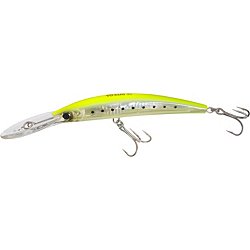
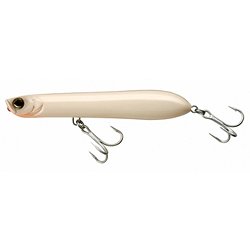
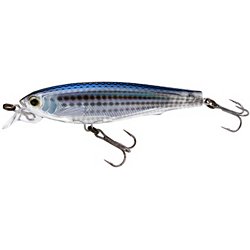
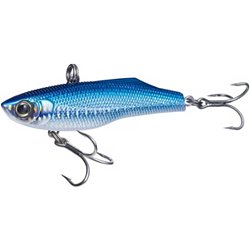
Explore our premium selection of jerkbaits designed to enhance your fishing experience. These lures feature realistic finishes and 3D holographic designs that mimic the movement of baitfish, attracting a variety of game fish. With options for both shallow and deep water, our jerkbaits offer versatility for any fishing condition. Engineered for precision casting and effective action, they ensure you can target your catch with confidence. Elevate your tackle box with these essential tools for successful fishing adventures.
 (5)
A jerkbait is a type of fishing lure designed to mimic the movement of injured or fleeing baitfish. It typically features a slender, elongated body and is often used with a twitching or jerking retrieve to create an erratic action in the water. Anglers use jerkbaits to target various species, particularly in freshwater and saltwater environments, as they can be effective in enticing fish during different seasons and conditions. The versatility in size, color, and action allows for tailored presentations based on the target species and fishing conditions.
When selecting a jerkbait, consider the size and shape, as these factors influence how the lure moves through the water. Look for features such as a realistic finish and color patterns that mimic local baitfish, which can attract more strikes. Additionally, the weight and buoyancy of the jerkbait are important, as they determine how deep the lure dives and how it suspends in the water column. Finally, examine the action of the jerkbait, as a responsive and erratic movement can entice predatory fish.
Different materials used in jerkbaits can significantly influence their performance in the water. For instance, plastic jerkbaits are often lightweight and can mimic the movement of live bait effectively, while those made from wood may provide a more natural buoyancy and sound. Additionally, the finish and coating of the jerkbait can affect its visibility and durability, impacting how fish perceive and react to it. Overall, the choice of material can enhance the action, depth, and overall effectiveness of the lure in various fishing conditions.
Jerkbaits are commonly used to target a variety of freshwater and saltwater fish species. Anglers often use them to catch bass, pike, and walleye in freshwater environments. In saltwater, jerkbaits can be effective for species such as striped bass and various types of inshore game fish. The erratic action of jerkbaits mimics injured prey, making them appealing to predatory fish.
Jerkbaits are versatile lures that can be effective throughout the year, but they are particularly popular during the spring and fall seasons. In spring, as water temperatures rise, fish become more active and are often drawn to the erratic movements of jerkbaits. During the fall, as fish prepare for winter, they tend to feed aggressively, making jerkbaits a great choice for targeting them. Additionally, using jerkbaits during overcast days or in low-light conditions can enhance their effectiveness.
When choosing the right size jerkbait, consider the type of fish you are targeting and the water conditions. Larger jerkbaits can be effective for bigger species or in deeper waters, while smaller sizes may work better for panfish or in shallower areas. Additionally, think about the local forage; matching the size of the jerkbait to the baitfish in the area can increase your chances of success. Experimenting with different sizes can also help you determine what works best in your specific fishing environment.
Floating jerkbaits are designed to rise to the surface when paused, making them effective for targeting fish in shallow waters or when fish are feeding near the top. In contrast, suspending jerkbaits remain in place in the water column when paused, allowing for a more enticing presentation to fish that are holding at specific depths. The choice between the two often depends on the fishing conditions and the behavior of the target species. Anglers may select floating jerkbaits for active surface feeding and suspending jerkbaits for more lethargic fish that are less likely to chase.
The color of a jerkbait can play a crucial role in attracting fish, as it can mimic the natural prey in the water. Bright colors may be more effective in murky or low-light conditions, while more natural hues can work well in clear water. Additionally, the color can influence the fish's mood and feeding behavior, making it important to choose a color that matches the environment and the target species. Experimenting with different colors can help anglers determine what works best for their specific fishing conditions.
When using jerkbaits for fishing, effective techniques include a series of sharp, quick jerks followed by pauses to mimic the erratic movement of injured baitfish. Varying the speed and rhythm of your retrieves can help trigger strikes, as fish often respond to the unpredictable action. Additionally, adjusting the depth at which you fish can be beneficial, as jerkbaits can be effective at various water levels. Experimenting with different colors and sizes can also enhance your chances of attracting fish in different conditions.
When selecting a jerkbait for inshore versus offshore fishing, consider the water conditions and target species. Inshore jerkbaits are often designed to mimic smaller baitfish and may feature a more subtle action, making them effective in shallower waters. Offshore jerkbaits typically have a more robust design to withstand stronger currents and larger fish, often featuring a deeper diving capability. Additionally, the color and size of the jerkbait can vary based on the specific environment and the type of fish you are targeting.
Continue browsing