â
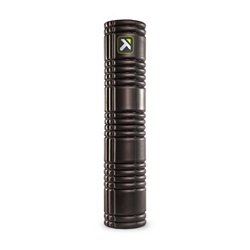
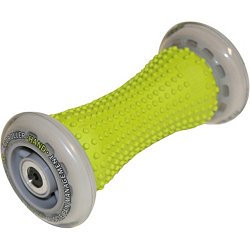
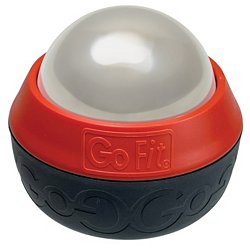
Discover the best foam roller for deep tissue massage, designed to enhance your recovery and relieve muscle tension. These foam rollers feature textured surfaces that target knots and trigger points, promoting improved blood flow and flexibility. Lightweight and portable, they are perfect for use at home or on the go. Ideal for athletes and fitness enthusiasts, our selection helps alleviate soreness and enhance performance. Invest in your wellness routine with a foam roller that delivers effective relief and supports your active lifestyle.
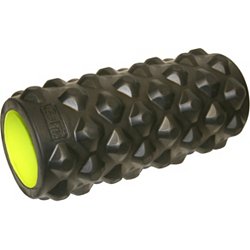
When searching for the best foam roller for deep tissue massage, consider features such as density, texture, and size. A firmer roller is typically more effective for deep tissue work, while textured surfaces can help target specific muscle groups. Additionally, the length of the roller can impact its versatility for different body parts.
The density of a foam roller plays a crucial role in its effectiveness for deep tissue massage. A denser foam roller provides more pressure, which can help release tight muscles and knots more effectively. However, it's important to choose a density that matches your comfort level and experience with foam rolling.
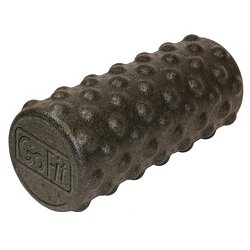
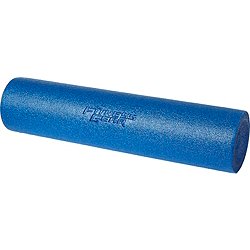
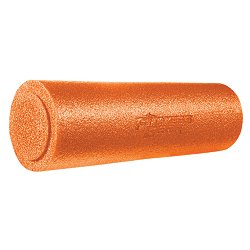
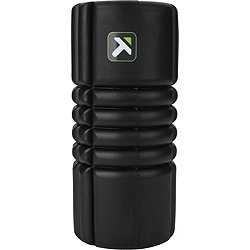
Foam rollers come in various shapes and sizes, each designed to target specific muscle groups. Longer rollers are great for larger areas like the back and thighs, while shorter, more compact rollers can be used for precision work on smaller muscle groups. Textured rollers can also provide additional stimulation to help alleviate tension.
Yes, using a foam roller for recovery after workouts is highly beneficial. It helps to alleviate muscle soreness, improve flexibility, and enhance blood flow to the muscles. Incorporating foam rolling into your post-workout routine can aid in faster recovery and reduce the risk of injury.
For optimal results, it's recommended to use a foam roller for deep tissue massage several times a week, depending on your activity level and muscle tightness. Regular use can help maintain muscle elasticity and prevent soreness. However, listen to your body and adjust the frequency based on your comfort and recovery needs.
Continue browsing


 (6)
(6)