â
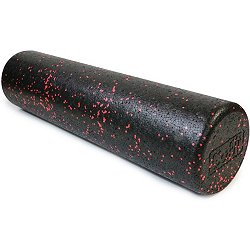
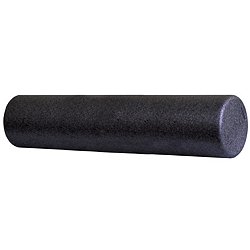
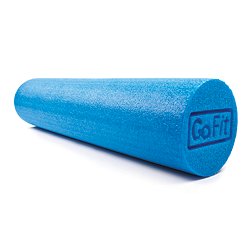
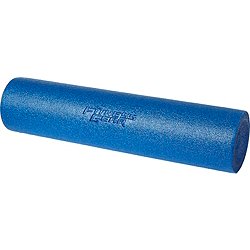
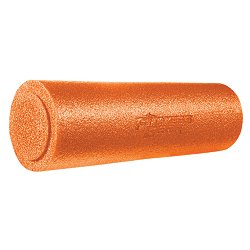
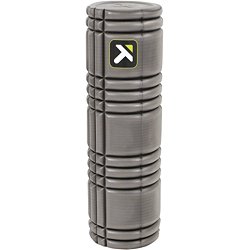
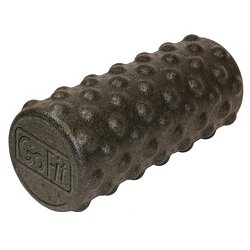
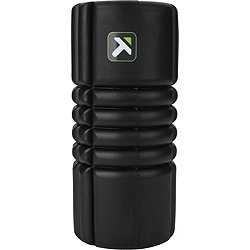
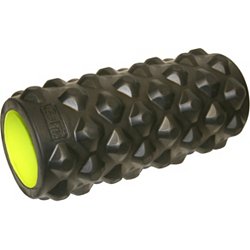
Explore our selection of foam rollers for legs, designed to aid in muscle recovery and enhance flexibility. These rollers are crafted from high-density foam, providing a balance of firmness for effective self-massage and myofascial release. Suitable for pre- and post-workout routines, they can help alleviate muscle tension and improve mobility in key areas such as the hips and thighs. With various sizes available, these foam rollers can accommodate different body parts and training needs, making them a versatile addition to your fitness regimen.
Using a foam roller for legs can help relieve muscle tension and soreness, making it an effective tool for recovery after workouts. It promotes blood circulation and can reduce inflammation, aiding in faster recovery times. Regular use can also improve flexibility and mobility in the legs, which is beneficial for overall athletic performance.
Foam rollers come in various sizes and densities, catering to different needs and preferences. Some are designed for deep tissue massage, while others offer a smoother surface for gentle rolling. Additionally, there are options in various lengths, allowing users to target specific muscle groups in the legs more effectively.
When selecting a foam roller for legs, consider the density and firmness that suits your comfort level. Beginners may prefer softer rollers, while those accustomed to foam rolling might opt for firmer options for deeper tissue massage. The size of the roller is also important, as longer rollers can accommodate larger muscle groups, while shorter ones are more portable.
Yes, foam rolling is widely recognized for its benefits in muscle recovery. It helps to alleviate soreness and tightness in the muscles, allowing for quicker recovery after intense workouts. By promoting blood flow and reducing muscle tension, foam rolling can enhance overall recovery and prepare the body for future physical activity.
Foam rolling is generally safe for most individuals, but it's important to listen to your body and avoid rolling over painful areas. If you have specific injuries or medical conditions, consulting with a healthcare professional before starting a foam rolling routine is advisable. Proper technique and moderation are key to ensuring a safe and effective experience.
The frequency of foam rolling can vary based on individual needs and activity levels. Many people find it beneficial to foam roll before and after workouts, while others may incorporate it into their daily routine for muscle maintenance. Listening to your body and adjusting the frequency based on how your muscles feel is essential for optimal results.
There are several techniques you can use while foam rolling your legs, including slow rolling, where you move the roller slowly over tight areas, and targeted pressure, where you pause on specific knots or tight spots. You can also incorporate different angles and positions to effectively target various muscle groups, such as quads, hamstrings, and calves.
Absolutely, foam rollers are versatile tools that can be used on various muscle groups throughout the body. They are effective for self-massage on areas such as the back, shoulders, and arms. Many users incorporate foam rolling into their overall fitness routine to enhance flexibility, reduce tension, and improve recovery across multiple muscle groups.
Continue browsing



 (7)
(7)