â
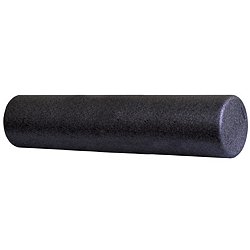
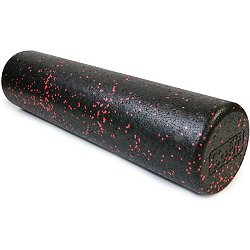
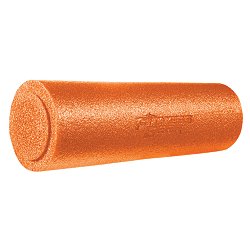
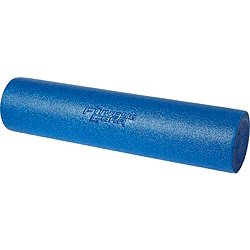
Relieve muscle soreness and enhance recovery with our premium selection of foam rollers. Designed to target tight muscles and improve flexibility, these foam rollers are essential for any fitness routine. Their varying densities and textures provide customized pressure, helping to alleviate tension and promote blood flow. Lightweight and portable, they are perfect for use at home or on the go. Invest in a foam roller for muscle soreness and experience the benefits of improved mobility and reduced discomfort after workouts.
A foam roller is a cylindrical tool made from dense foam that is used for self-myofascial release, which helps alleviate muscle soreness and tightness. By applying pressure to specific areas of the body, foam rolling can help improve blood flow, reduce muscle tension, and enhance flexibility. Many individuals incorporate foam rolling into their post-workout routine to aid recovery and promote relaxation in the muscles. It is a simple yet effective way to support overall muscle health and mobility.
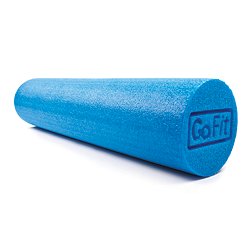
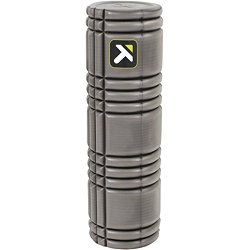
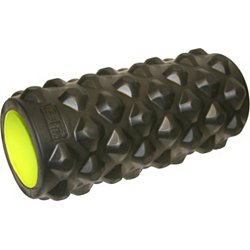
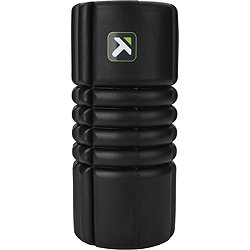
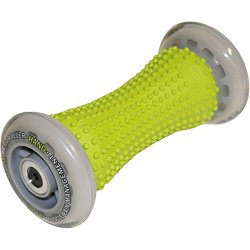
There are several types of foam rollers designed for muscle recovery, each offering unique features to aid in soreness relief. Standard foam rollers are typically smooth and provide a gentle massage effect, while textured rollers have ridges or bumps that target specific muscle groups more intensely. Vibrating foam rollers incorporate vibration technology to enhance muscle relaxation and improve blood flow. Additionally, there are smaller, portable options that focus on pinpointing tight areas, making them convenient for on-the-go recovery.
When choosing a foam roller, consider the density and texture that best suits your needs. Softer rollers are generally better for beginners or those with sensitive muscles, while firmer options can provide deeper tissue massage for more experienced users. Additionally, the size and shape of the roller can impact its effectiveness; longer rollers are great for larger muscle groups, while smaller ones can target specific areas. Think about your intended use, whether for recovery, warm-up, or general muscle soreness relief, to find the right fit.
Foam rollers for muscle soreness are typically made from materials such as expanded polypropylene (EPP) or ethylene-vinyl acetate (EVA). These materials provide a firm yet comfortable surface that helps to alleviate muscle tension. Some foam rollers may also feature textured surfaces to enhance the massage effect. Additionally, certain models may incorporate a hollow core for added durability and lightweight design.
Foam rolling can be beneficial for athletes and fitness enthusiasts by helping to alleviate muscle soreness and improve flexibility. It works by applying pressure to specific areas of the body, which may aid in the release of tension in the muscles. Many individuals find that incorporating foam rolling into their routine enhances recovery after workouts and can contribute to overall muscle maintenance. Regular use may also promote better blood circulation, which is important for muscle health.
Using a foam roller can be beneficial for alleviating muscle soreness, and many people find it helpful to incorporate it into their routine several times a week. It is often recommended to use a foam roller after workouts or physical activities to help release tension in the muscles. Additionally, rolling for about 10 to 15 minutes per session can be effective, focusing on areas that feel particularly tight or sore. Listening to your body is important, so adjust the frequency and duration based on your individual needs and comfort level.
When selecting a foam roller for effective muscle recovery, consider the density and texture of the roller, as these factors influence the intensity of the massage. A roller with a firmer surface can provide deeper tissue relief, while a softer option may be better for beginners or those with sensitivity. Additionally, look for various sizes and shapes that can target different muscle groups, as well as features like portability for easy use at home or on the go. Finally, ensure the material is durable and easy to clean for long-lasting use.
Yes, there are several techniques for using a foam roller to help relieve muscle soreness. One common method is to slowly roll over the targeted muscle group, pausing on any tight or tender spots for 20 to 30 seconds. You can also use a back-and-forth motion or roll in different directions to effectively target various muscle fibers. It's important to maintain a steady breathing pattern and adjust the pressure based on your comfort level while rolling.
The main difference between a firm and a soft foam roller lies in their density and the level of pressure they apply to the muscles. Firm foam rollers provide a deeper massage and are often used for targeted muscle relief, making them suitable for those who prefer a more intense experience. Soft foam rollers, on the other hand, offer a gentler approach, which can be beneficial for beginners or those looking for a more comfortable option. Choosing between the two depends on personal preference and the specific needs of your muscle recovery routine.
Yes, foam rollers can be used for various purposes beyond muscle soreness relief. They are often utilized for improving flexibility and range of motion, as well as enhancing overall athletic performance. Additionally, foam rollers can aid in muscle recovery and help with myofascial release, which may contribute to better muscle function. Many people also incorporate foam rolling into their warm-up and cool-down routines to promote relaxation and reduce tension.
Continue browsing



 (7)