â
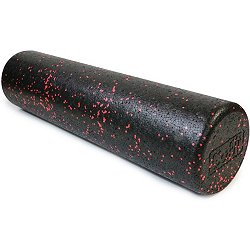
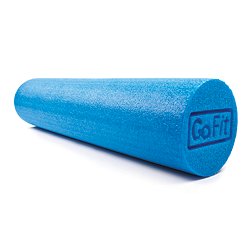
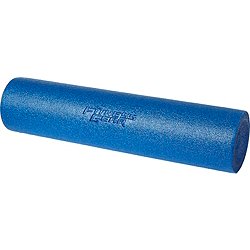
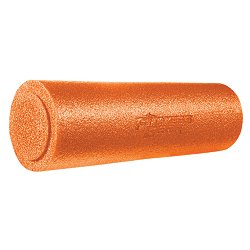
Discover the ultimate solution for muscle soreness with our range of foam rollers designed to enhance recovery and improve flexibility. These versatile tools help alleviate tension, reduce muscle tightness, and promote blood circulation, making them essential for any fitness routine. Available in various densities and textures, our foam rollers cater to all experience levels, ensuring effective relief for sore muscles. Incorporate foam rolling into your post-workout regimen to enhance performance and support overall wellness. Experience the benefits of targeted muscle therapy and keep your body feeling its best.
Foam rollers are designed to help alleviate muscle soreness by promoting blood flow and reducing tension in the muscles. They work through a technique called self-myofascial release, which can help break down knots and tightness in the fascia surrounding muscles. Regular use can enhance recovery after workouts, improve flexibility, and decrease muscle stiffness.
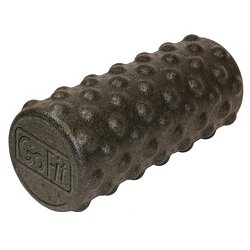
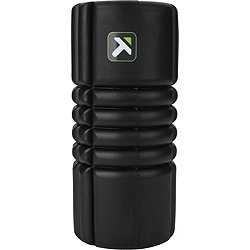
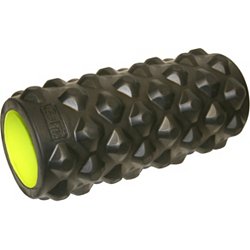
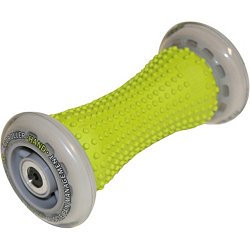
Foam rollers can be made from various materials, including high-density foam, EVA foam, and even textured surfaces for deeper tissue massage. The density of the foam can affect the level of pressure applied during use, with firmer rollers providing a more intense experience. Choosing the right material can depend on personal comfort and the specific muscle soreness being targeted.
When selecting a foam roller, consider factors such as density, size, and texture. Beginners may benefit from softer rollers, while those with more experience may prefer firmer options for deeper muscle relief. Additionally, the size of the roller can impact its effectiveness for different muscle groups, so think about which areas you want to target most.
Yes, foam rollers can be effectively used on various muscle groups, including the back, legs, and arms. They are particularly useful for targeting areas that are prone to tightness, such as the quadriceps, hamstrings, and calves. However, if you have a specific injury, it's advisable to consult with a healthcare professional before using a foam roller.
For optimal results, it's recommended to use a foam roller regularly, ideally after workouts or physical activity. Many people find that rolling for 10 to 15 minutes a few times a week helps alleviate soreness and improve recovery. Listening to your body is key; if you feel tightness or discomfort, incorporating foam rolling into your routine can be beneficial.
Continue browsing


 (6)
(6)