â
Discover the benefits of muscle soreness rollers, designed to aid in recovery and enhance mobility. These rollers come in various sizes and textures, providing options for targeted relief on sore muscles throughout the body. Suitable for pre- and post-workout routines, they can help alleviate tension and improve flexibility. Many models feature ergonomic designs for comfortable grip and ease of use, making them appropriate for all fitness levels. Consider incorporating a muscle soreness roller into your recovery regimen to support your active lifestyle.
A muscle soreness roller is designed to help alleviate muscle tension and soreness through self-massage techniques. It can be used to target specific muscle groups, improve mobility, and enhance recovery after workouts. By rolling over sore areas, users can stimulate blood flow and promote relaxation in tight muscles.
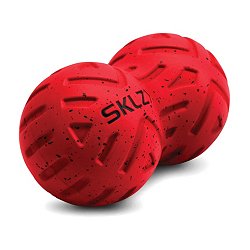
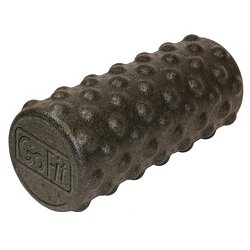
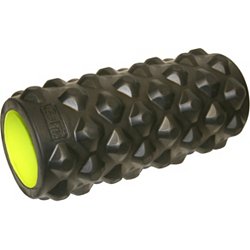
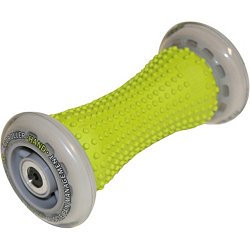
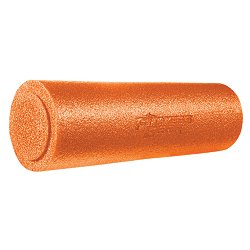
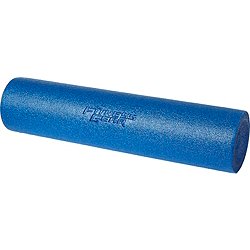
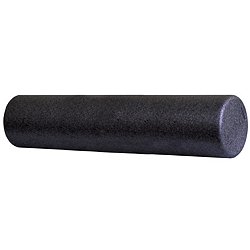
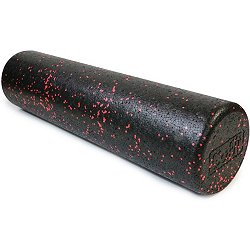
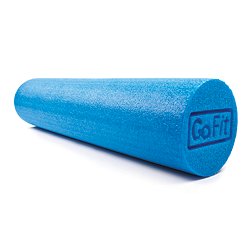
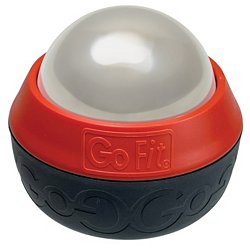
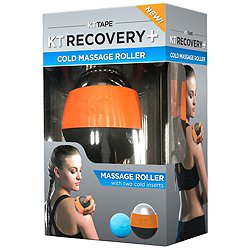
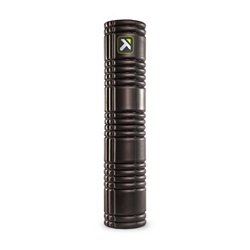
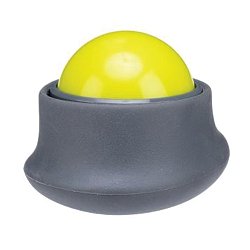
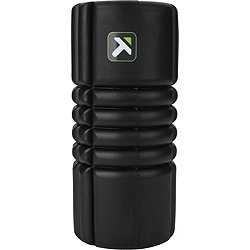
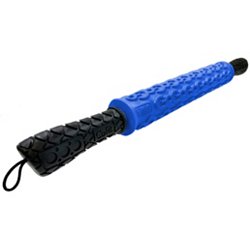
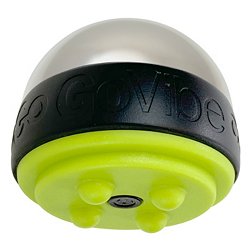
Muscle soreness rollers come in various types, including foam rollers, massage rollers with textured surfaces, and cold therapy rollers. Each type offers unique benefits, such as deep tissue massage, cold compression for inflammation, or ergonomic designs for ease of use. This variety allows users to choose a roller that best fits their recovery needs.
When selecting a muscle soreness roller, consider factors like size, texture, and intended use. Larger rollers may be better for full-body use, while smaller ones can target specific areas. Textured surfaces can provide deeper muscle relief, while cold therapy options are great for reducing inflammation. Assess your fitness level and specific muscle soreness to find the best match.
Yes, muscle soreness rollers can be used by individuals of all fitness levels, including beginners. They offer a versatile way to incorporate self-massage into your routine, helping to relieve tension and improve flexibility. Beginners should start with softer rollers and gradually progress to firmer options as they become more comfortable with the technique.
The frequency of using a muscle soreness roller can vary based on individual needs and activity levels. Many people find it beneficial to use the roller before and after workouts to warm up muscles and aid recovery. Regular use, such as a few times a week, can help maintain muscle health and prevent soreness.
Muscle soreness rollers can be effective tools for aiding recovery from injuries by promoting blood circulation and reducing muscle tightness. They help to alleviate soreness and improve flexibility, which can be beneficial during rehabilitation. However, it's important to consult with a healthcare professional for specific injury-related advice.
Muscle soreness rollers are commonly made from materials such as EVA foam, which provides durability and comfort. Some rollers may also feature textured surfaces for deeper tissue massage or cold therapy elements for inflammation relief. The choice of material can affect the roller's firmness and overall effectiveness.
Yes, muscle soreness rollers can significantly aid in improving flexibility and mobility. By rolling out tight muscles, users can enhance their range of motion and reduce stiffness. Regular use can contribute to better overall performance in physical activities and workouts.
Continue browsing



 (10)
(10)