â
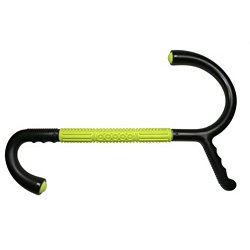
Relieve muscle soreness and enhance recovery with our selection of muscle soreness rollers. Designed to target tightness and improve circulation, these rollers help alleviate discomfort and promote relaxation after workouts. Featuring various textures and densities, they cater to all fitness levels, ensuring effective relief for sore muscles. Lightweight and portable, they are perfect for use at home or on the go. Incorporate a muscle soreness roller into your routine to support your fitness journey and keep your muscles feeling their best.
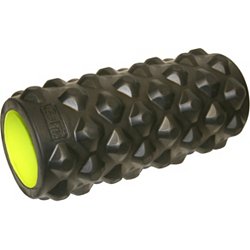
A muscle soreness roller is a tool designed to help alleviate muscle tension and soreness through self-myofascial release. By applying pressure to specific areas of the body, it helps to break up knots in the muscles and improve blood flow, which can enhance recovery after workouts. These rollers often feature textured surfaces to provide varying levels of intensity during use.
Using a muscle soreness roller can provide several benefits, including reduced muscle soreness, improved flexibility, and enhanced range of motion. Regular use can also aid in recovery after intense physical activity by promoting blood circulation and reducing muscle tightness. Additionally, it can help prevent injuries by keeping muscles pliable and healthy.
Muscle soreness rollers are typically made from a variety of materials, including foam, rubber, and EVA (ethylene-vinyl acetate). Foam rollers often have different densities to cater to various levels of pressure and comfort, while rubber rollers may offer a firmer surface for deeper tissue massage. The choice of material can affect the roller's durability and effectiveness.
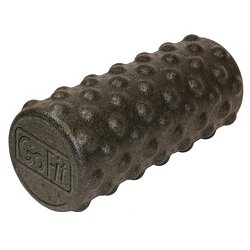
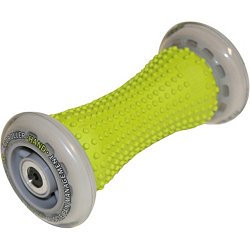
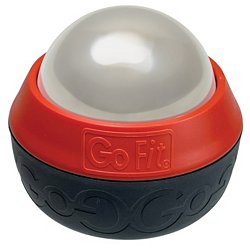
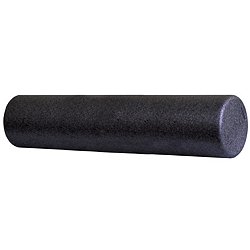
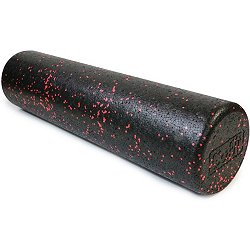
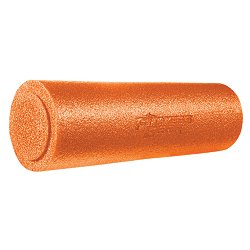
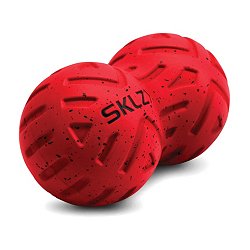
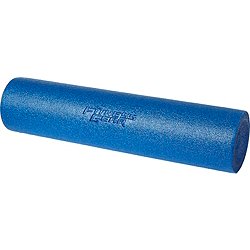
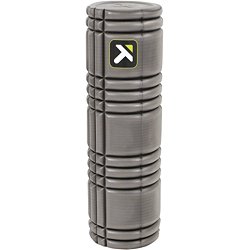
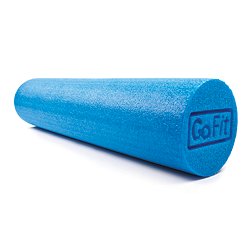
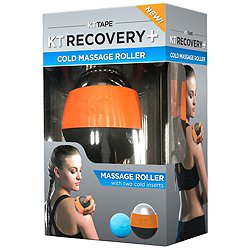
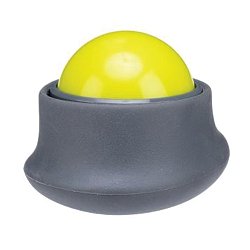
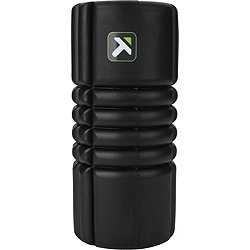
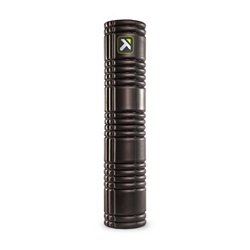
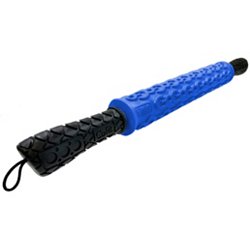
Yes, there are several types of muscle soreness rollers available, each designed for specific uses and preferences. Some rollers are smooth for gentle massage, while others have textured surfaces for deeper tissue work. Additionally, there are rollers of varying sizes and shapes, including long cylindrical rollers and smaller, targeted rollers for specific muscle groups.
For best results, it is generally recommended to use a muscle soreness roller several times a week, especially after workouts or physical activity. The frequency can depend on individual needs and activity levels, but incorporating rolling into your routine can help maintain muscle health and prevent soreness. Listening to your body is key; if you feel tightness or discomfort, rolling can be beneficial.
Continue browsing


 (10)
(10)