â
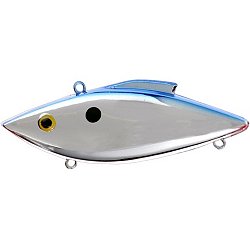
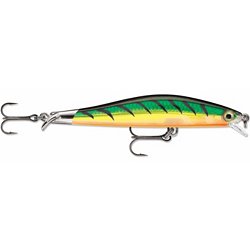
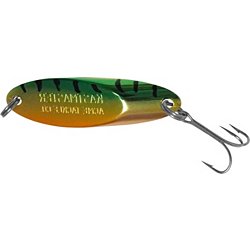
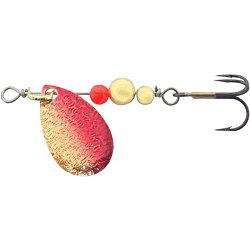
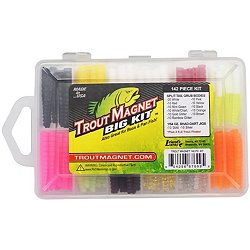
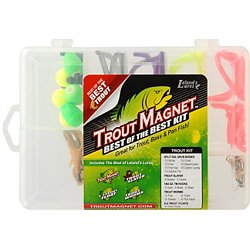
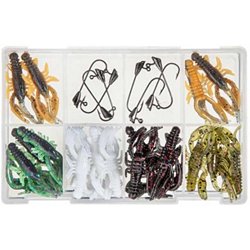
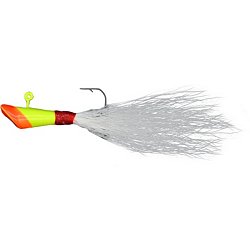
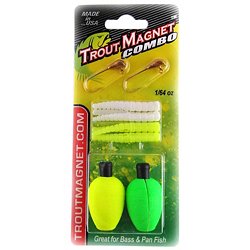
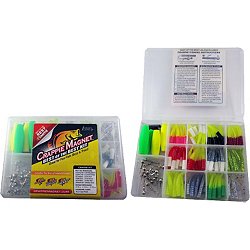
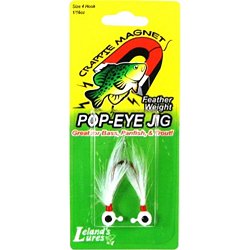
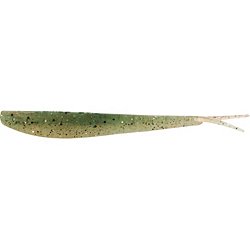
Explore our extensive collection of fishing lures for all game fish, designed to enhance your angling experience. Featuring a variety of shapes, sizes, and colors, these lures are crafted to attract a wide range of species, ensuring you’re well-equipped for any fishing adventure. From soft baits to trolling spoons, each lure is engineered for optimal performance in both freshwater and saltwater environments. Elevate your fishing game with high-quality options that promise durability and effectiveness, making every cast count. Get ready to reel in your next big catch!
Different game fish species respond to various types of fishing lures, each designed to mimic the natural prey of the fish. For instance, soft baits are often effective for species like trout and bass, as they can imitate the movement of worms or small fish. Hard baits, such as crankbaits and jerkbaits, are commonly used for species like pike and walleye, as they create vibrations and flashes that attract attention. Additionally, jigs and spoons can be versatile options for targeting a range of species, including panfish and saltwater fish, due to their ability to be fished at different depths and speeds.
Choosing the right fishing lure depends on several factors, including the type of game fish you are targeting, the water conditions, and the time of year. Consider the water clarity, temperature, and depth, as these elements can influence fish behavior and feeding patterns. Additionally, think about the specific species you want to catch, as different fish are attracted to various colors, sizes, and movements of lures. Experimenting with different styles and materials can help you determine what works best in your fishing environment.
Fishing lures are typically made from a variety of materials, including plastic, metal, wood, and rubber. Each material can influence the lure's buoyancy, durability, and action in the water. For instance, plastic lures often mimic the movement of live bait and can be designed to float or sink, while metal lures may provide a flash that attracts fish. The choice of material can affect how well the lure performs in different fishing conditions and for various game fish.
When selecting fishing lures for various game fish, consider the type of water you will be fishing in, as some lures are designed for freshwater while others are suited for saltwater. Look for lures that mimic the natural prey of the fish you are targeting, including color, size, and movement. Additionally, consider the material of the lure, as some are designed to be more durable or to create specific actions in the water. Finally, versatility is key; many lures can be effective for multiple species, making them a practical choice for anglers.
The colors and designs of fishing lures play a crucial role in attracting various game fish. Bright and vibrant colors can mimic the appearance of prey, making them more appealing to fish, while natural hues may blend in with the environment to entice cautious species. Additionally, the shape and movement of the lure can influence a fish's response, as they often react to the lure's action in the water. Understanding these factors can help anglers select the most effective lures for their fishing conditions.
When using fishing lures, it's important to consider the differences between freshwater and saltwater environments. In freshwater, lures that mimic local baitfish or insects tend to be effective, and varying the retrieval speed can help attract fish. In saltwater, lures should be designed to withstand harsher conditions and may need to imitate larger prey. Additionally, understanding the specific species you are targeting can guide your choice of color, size, and type of lure for both environments.
Seasonal changes can significantly influence the behavior and feeding patterns of game fish, which in turn affects the choice of fishing lures. In warmer months, fish may be more active and drawn to vibrant, fast-moving lures that mimic the natural prey available in their environment. Conversely, during colder months, fish often become less active, making subtle, slower presentations more effective. Additionally, factors such as water temperature, clarity, and the presence of specific baitfish can guide anglers in selecting the most suitable lures for the season.
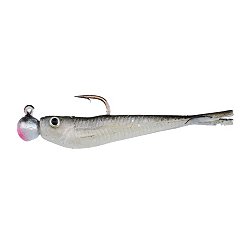
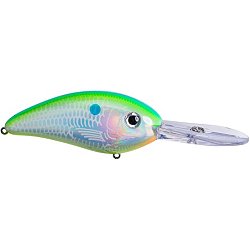
Soft bait lures are typically made from flexible materials that mimic the texture and movement of live prey, making them effective for enticing fish. They often come in various shapes and colors, allowing for a more natural presentation in the water. In contrast, hard bait lures are usually constructed from rigid materials and are designed to create specific actions, such as wobbling or diving, which can attract fish through visual and auditory cues. Each type of lure has its own advantages depending on the fishing conditions and the species being targeted.
To determine the right size of fishing lure for the game fish you are targeting, consider the species' typical prey size and feeding habits. Generally, smaller lures are effective for species that feed on smaller baitfish or insects, while larger lures may attract bigger game fish. Additionally, local fishing conditions, such as water clarity and temperature, can influence the effectiveness of lure size. Observing what other anglers are using and consulting local fishing reports can also provide valuable insights.
When selecting fishing lures for specific techniques, consider the type of game fish you are targeting, as different species respond to various lure styles and colors. The water conditions, such as clarity and temperature, can also influence your choice, as certain lures perform better in specific environments. Additionally, the time of year and the fish's feeding habits will affect which lures are most effective. Finally, think about the presentation method, as some lures are designed for specific retrieval techniques that can enhance your chances of success.
Continue browsing



 (87)